Episode X
Linn Nora Henz
11.04 - 08.05.26
solo exhibition
@aladinparadi
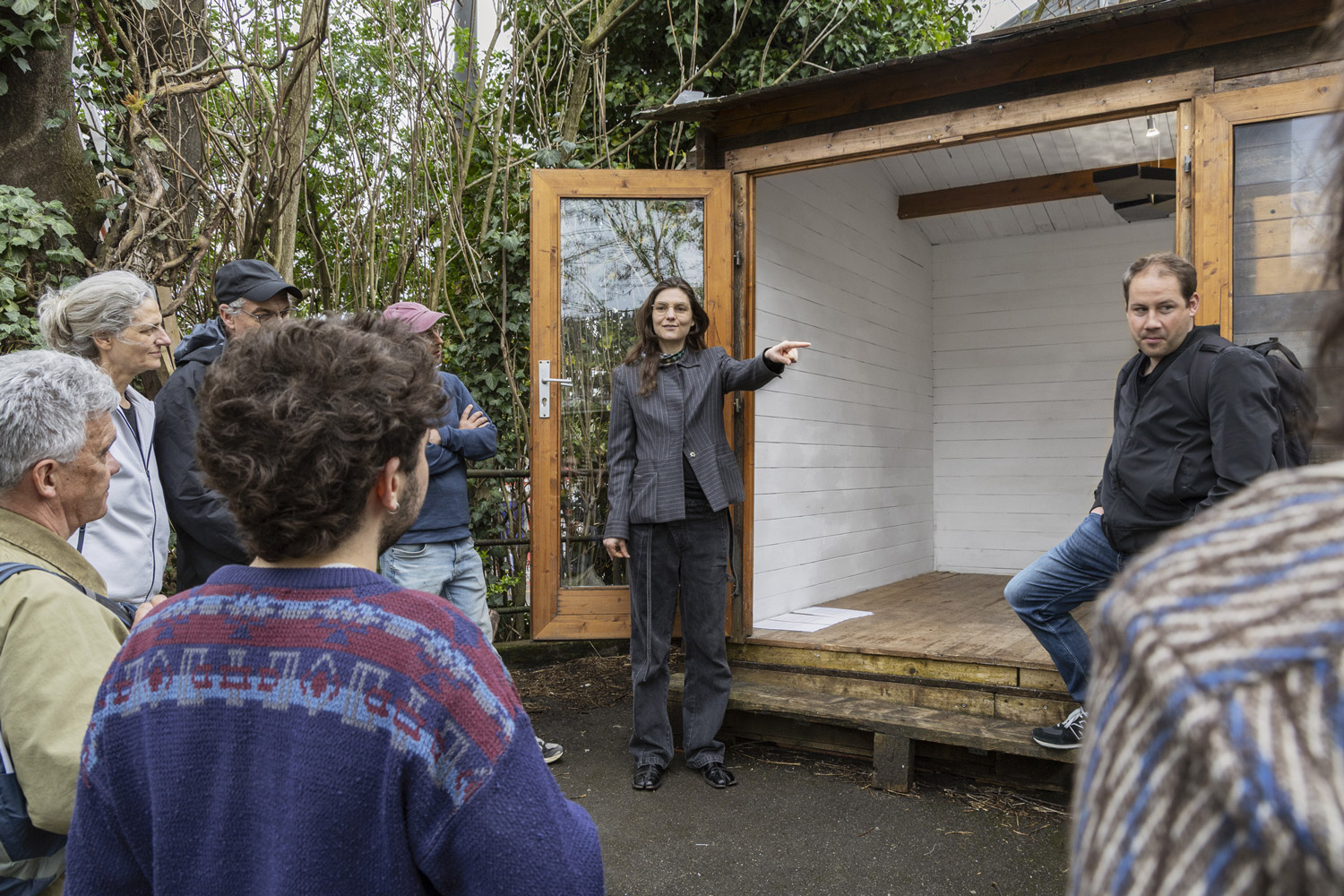
EN This text stems from a conversation over coffee between the curator and the artist, discussing the latter’s general practice, particularly in relation to her work currently exhibited at KBCB and while imagining a proposal for the annex space. The text highlights fragments of her thoughts that compose her practice.
Linn’s artistic work begins with identifying behaviors and modes of functioning — which she also refers to as forms. She observes the world through an aesthetic prism and analyzes habits, codes, and behaviors, because behind every form, one can trace a decision.
In her process of inquiry, she has observed that there are simplifications in society — toward the obvious, toward neutrality, toward what is easiest — and that things are moving toward a system in which we no longer need to think. She is also struck by realizing that there are people who have structured our lives. Architects, to take a benign example, have determined where you should pass and where you should not. We take everything as if it were normal, whereas it is absolutely unsettling.
Who decided this? Who has the authority to say what is true or false? Who determines how we should behave? Who has the power to decide what has value or not?
In relation to these questions, the artist advocates for humor as a possible solution, as it is a way of looking at the world with a shift in perspective. But humor is not merely about laughter; it is highly complex. It is about formulating a meaningful statement after having understood its context and subtleties — one cannot laugh at something without understanding it deeply. Humor therefore encourages reflection; it carries a point of view and adds complexity to the subject. It is a commitment to the autonomy of thought.
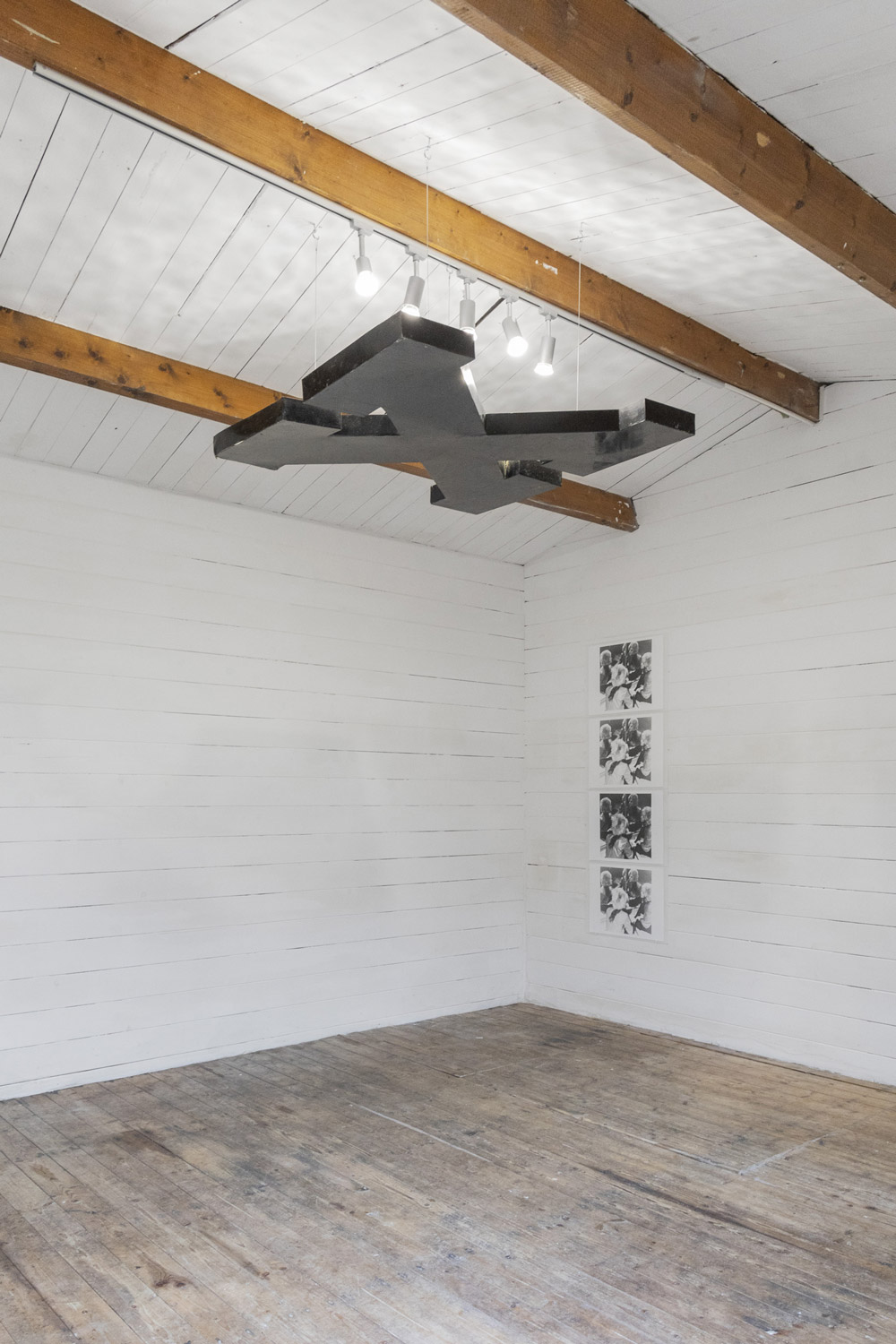
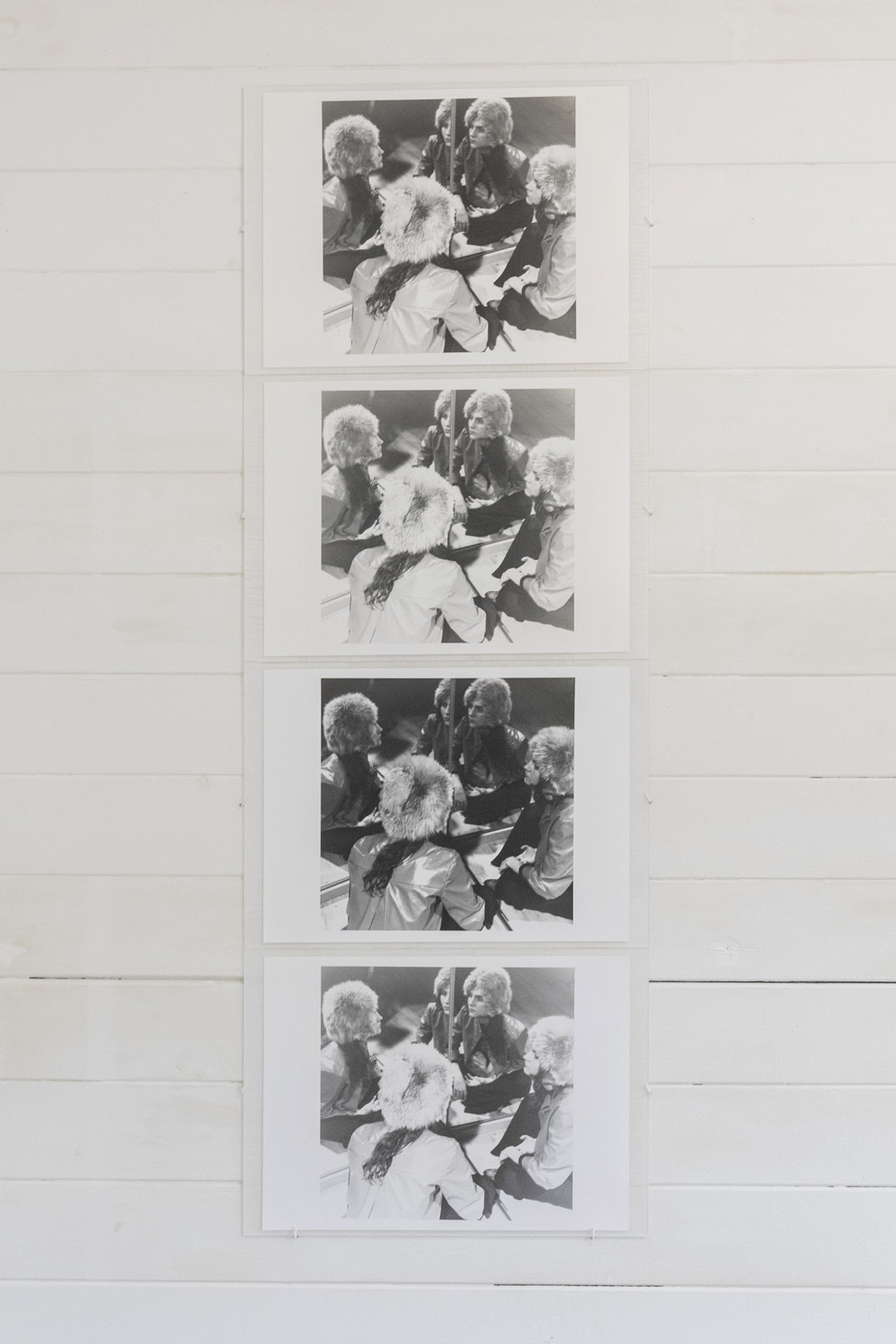
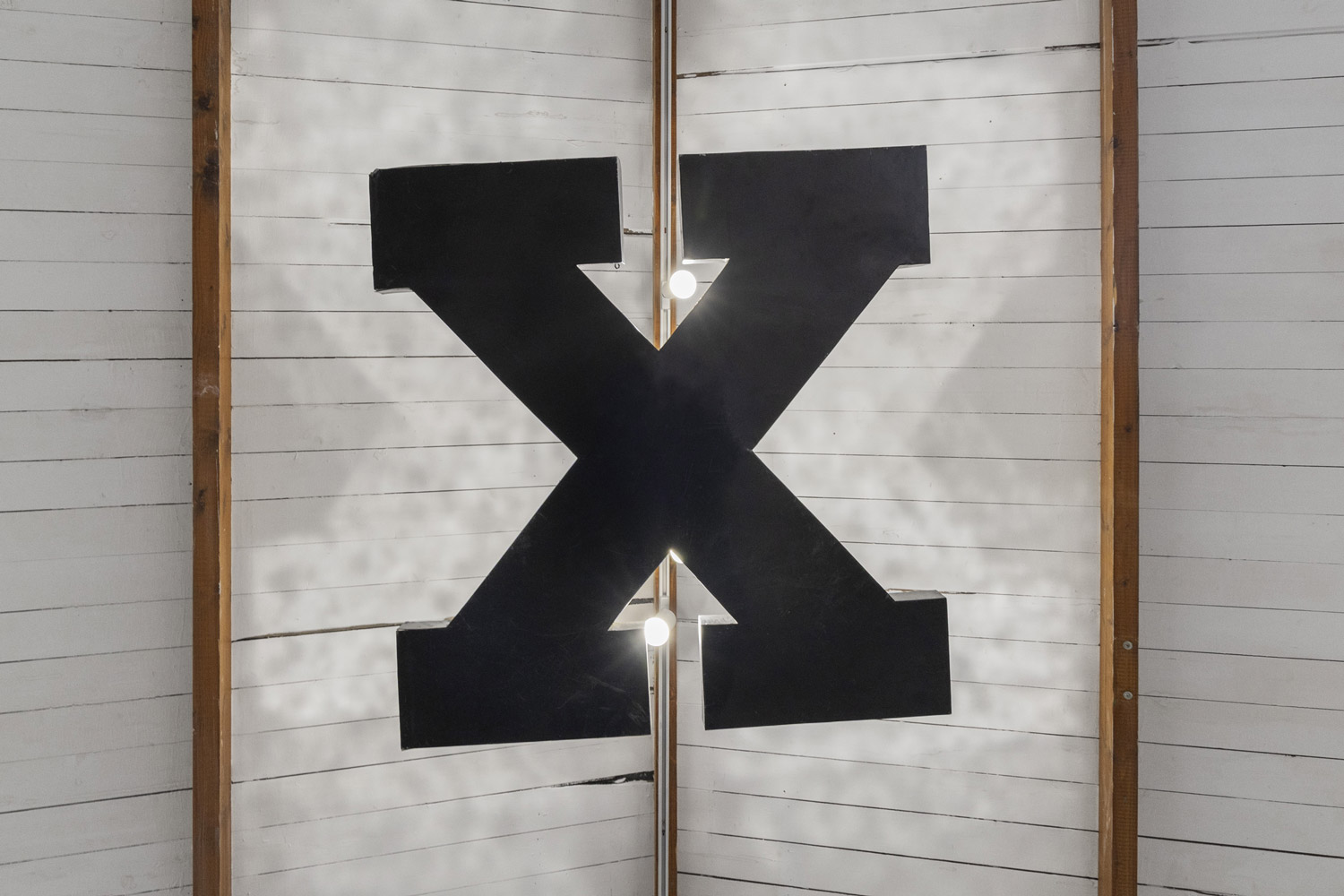
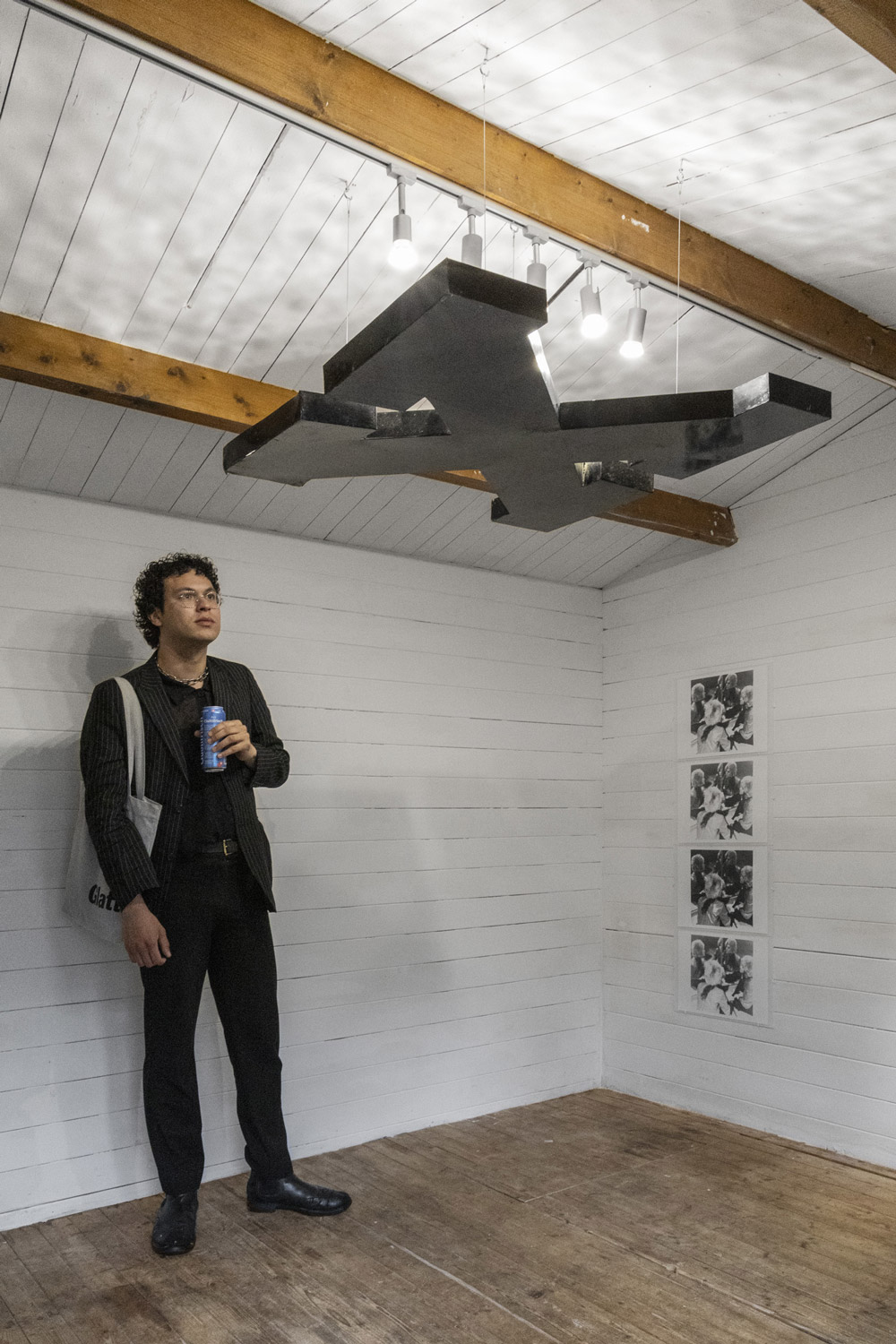
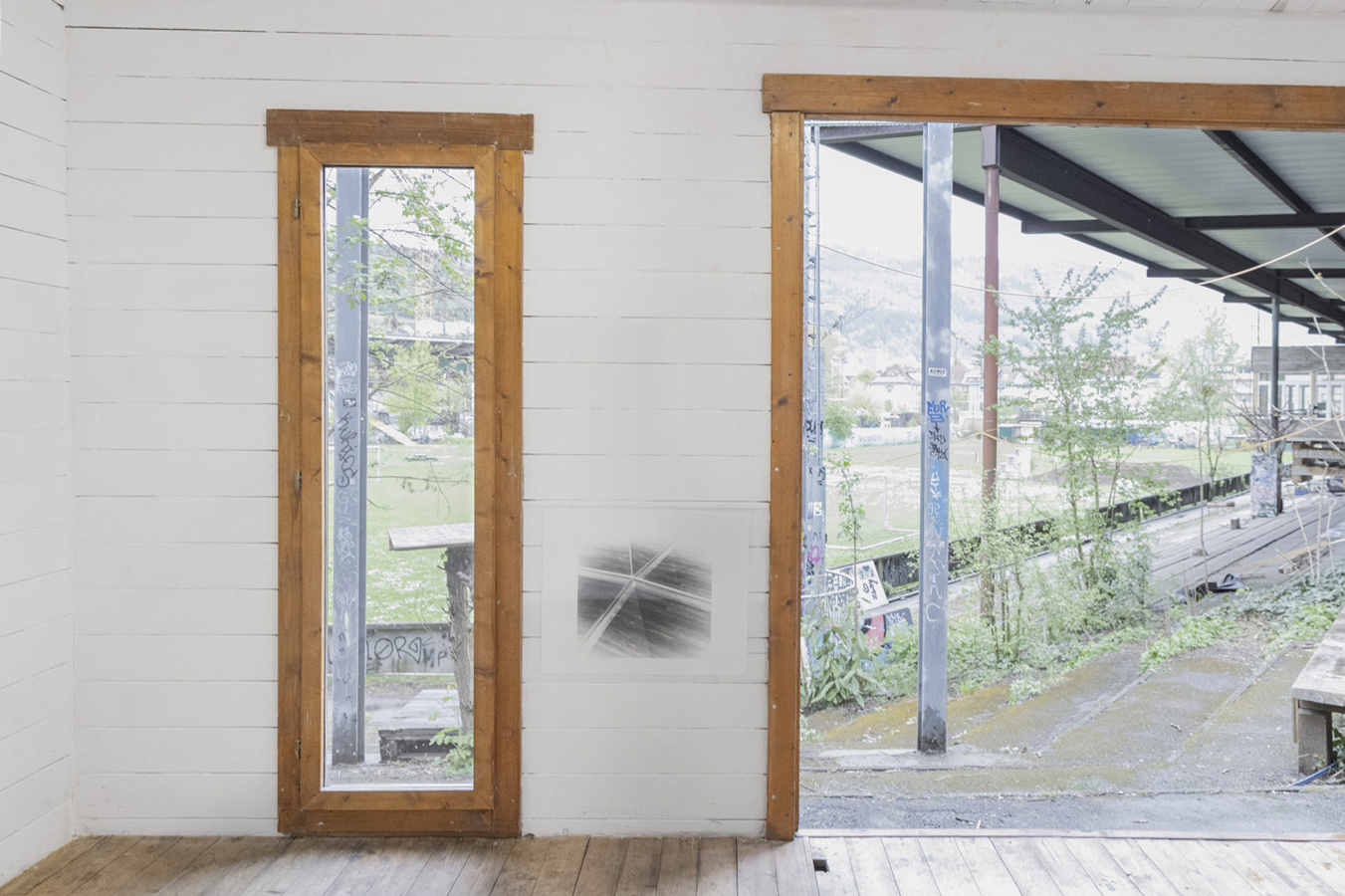
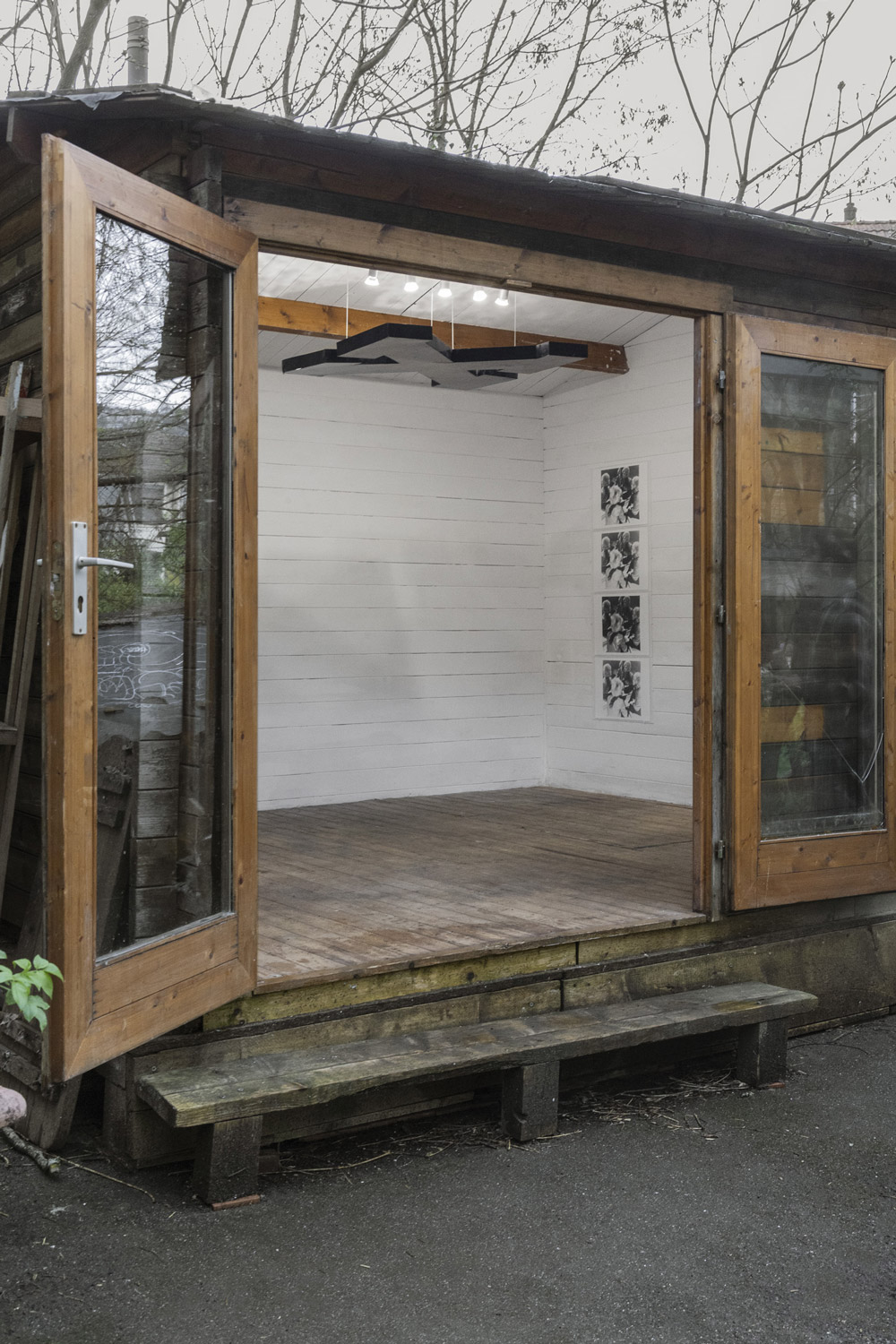
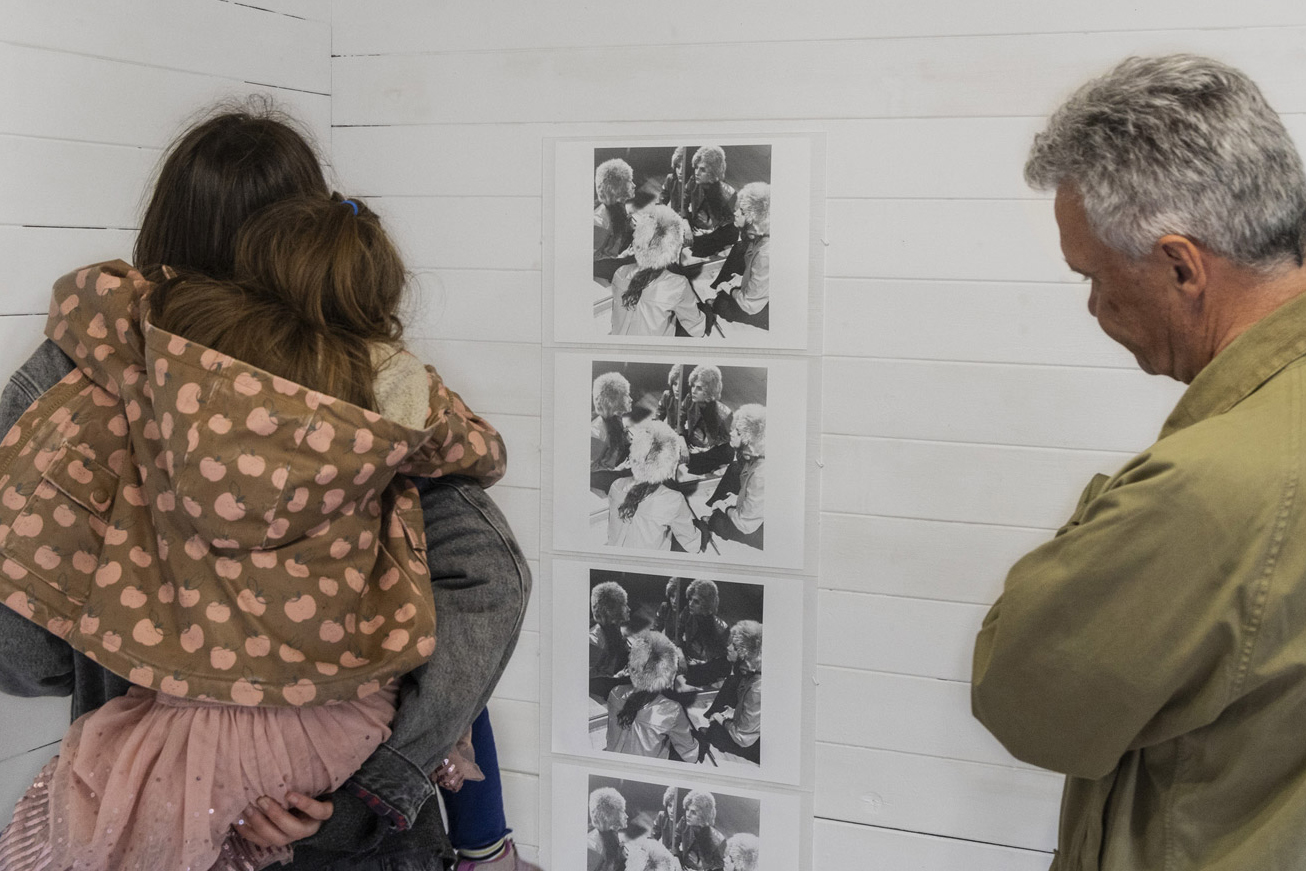
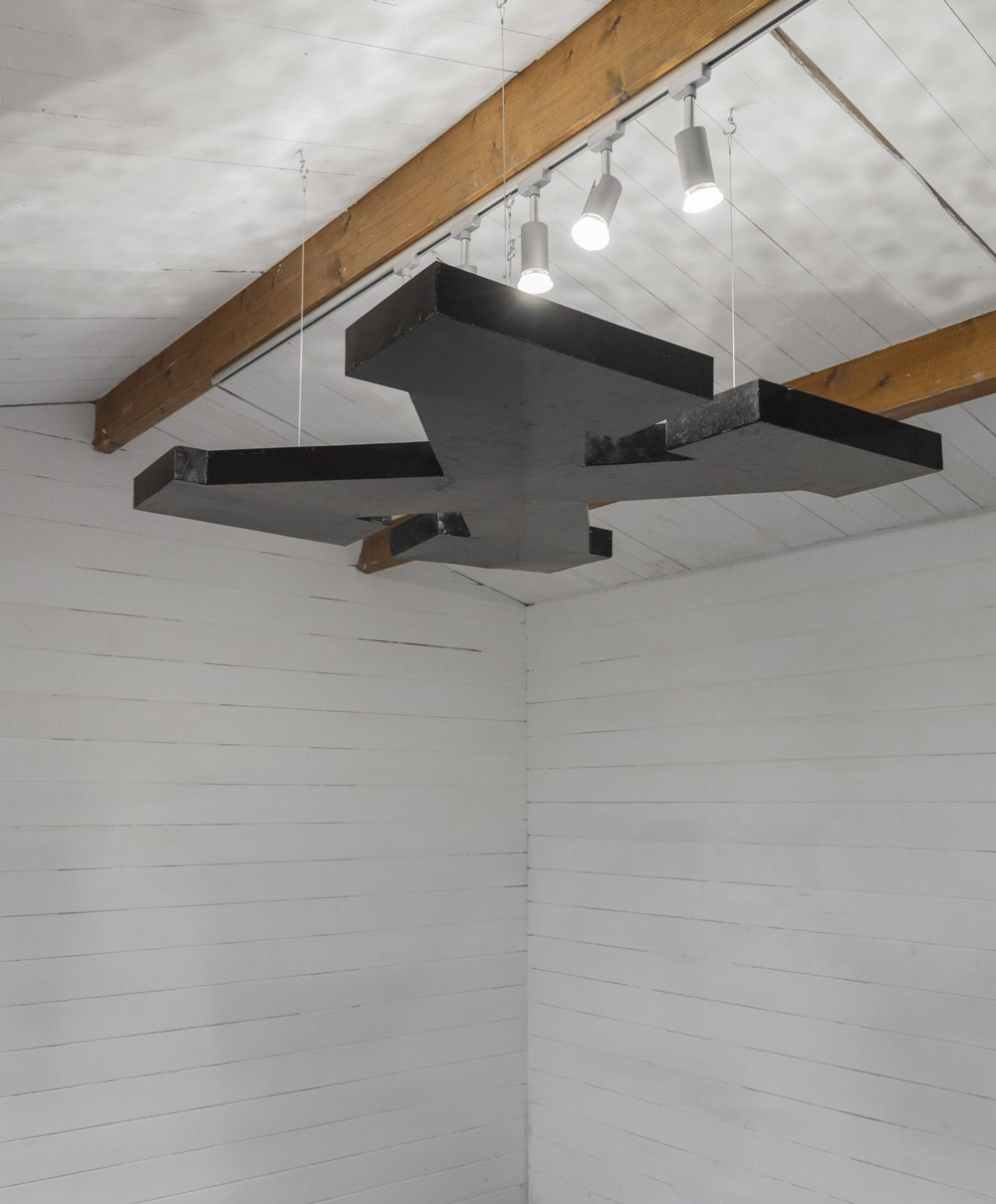
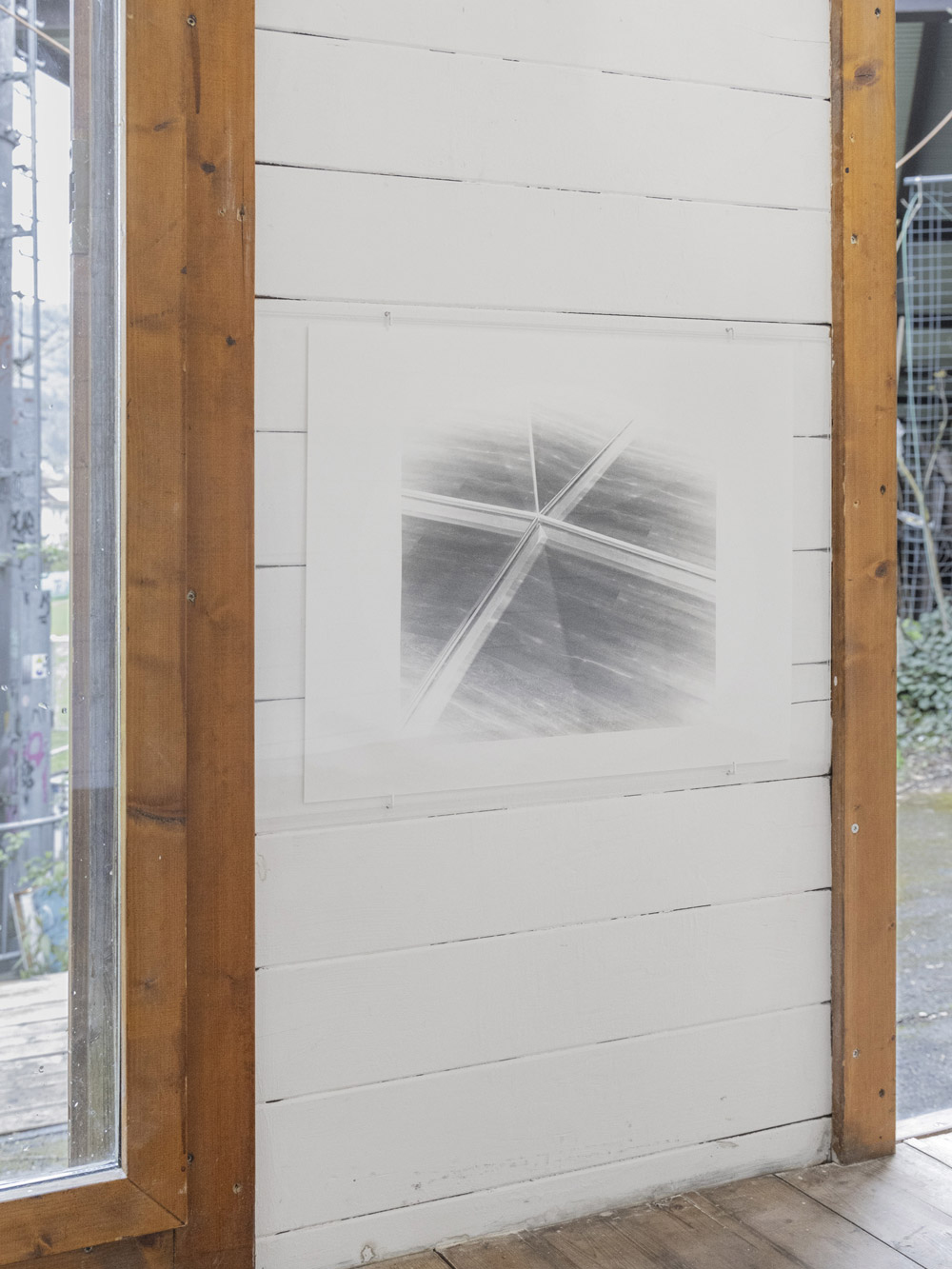
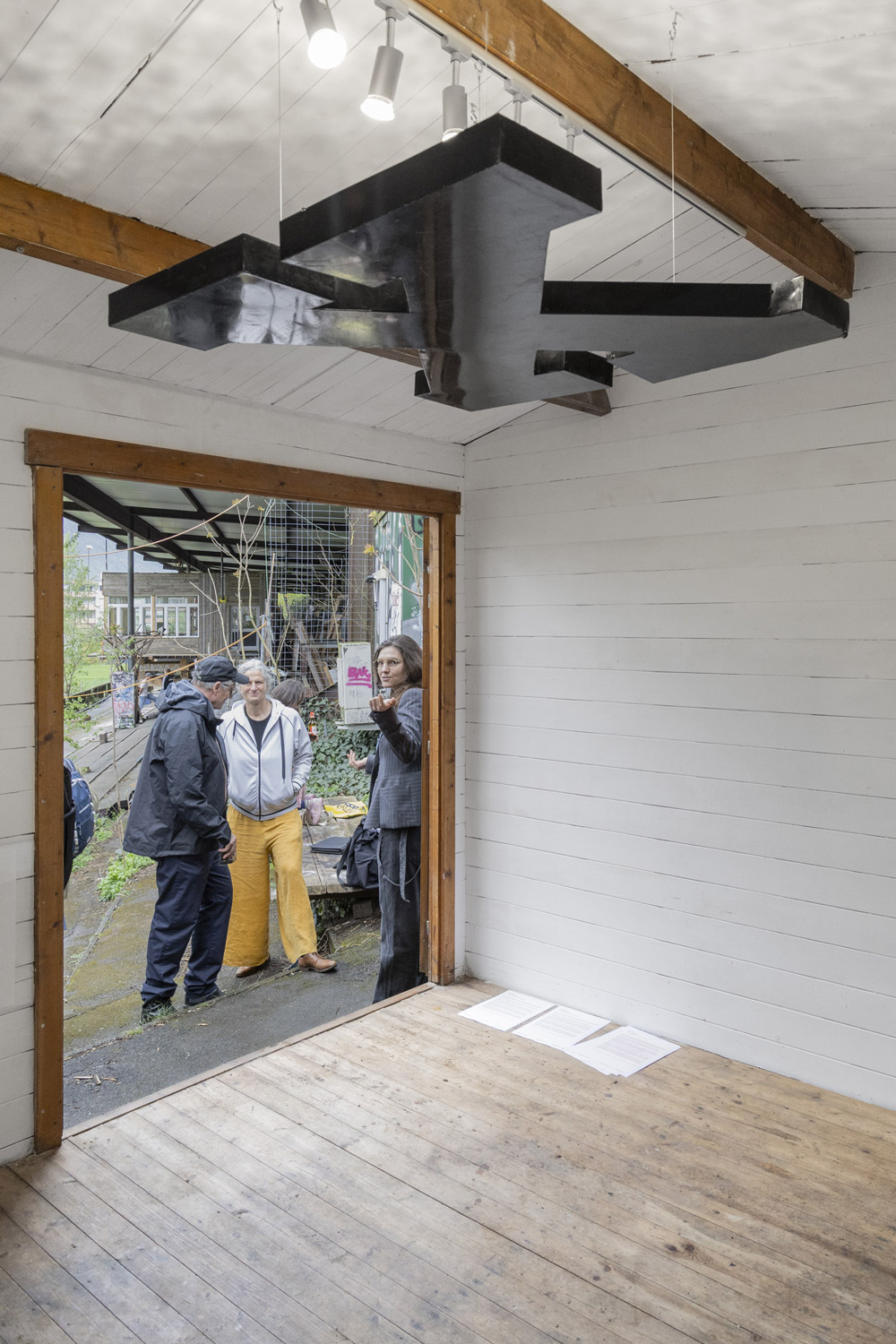
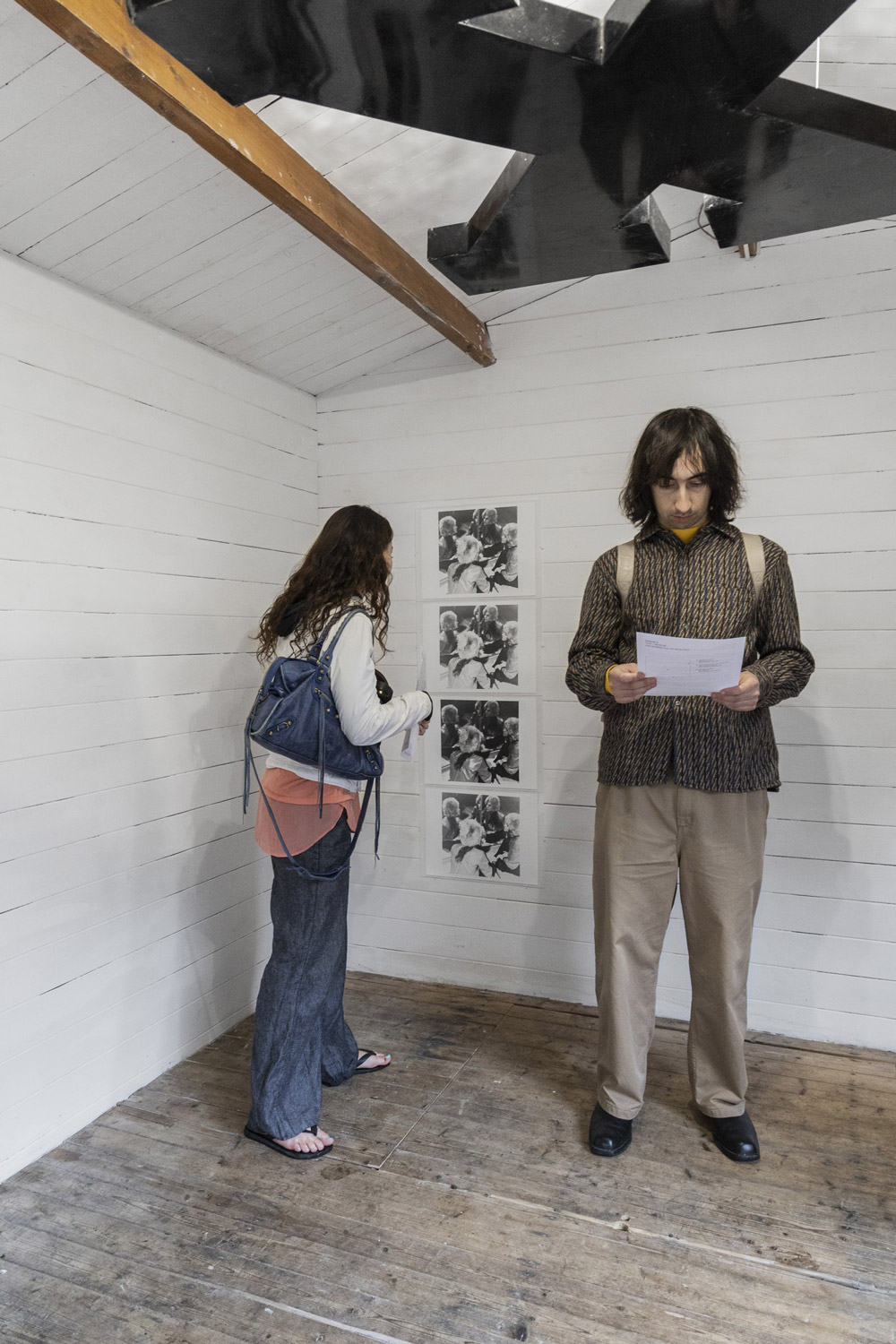
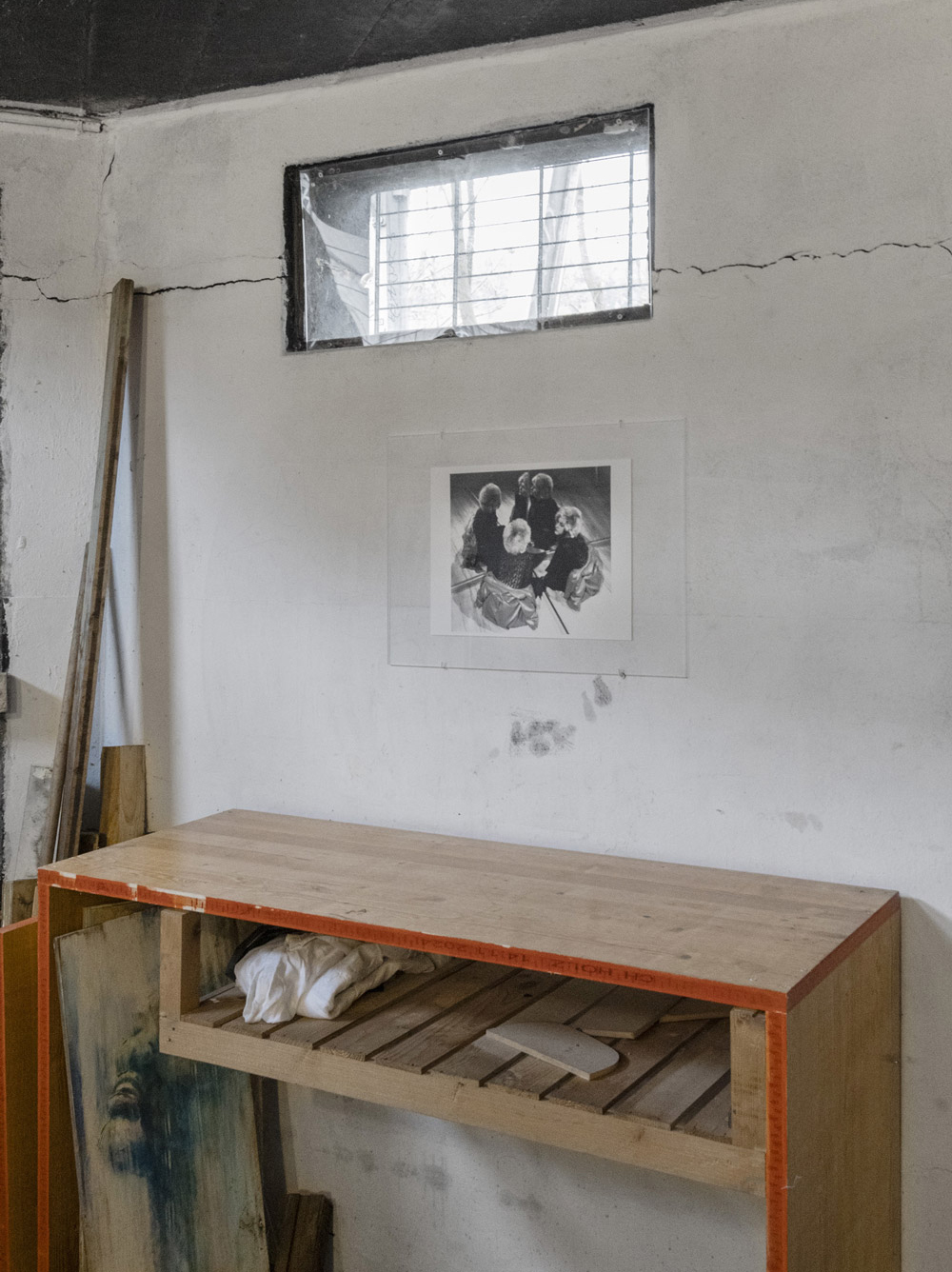
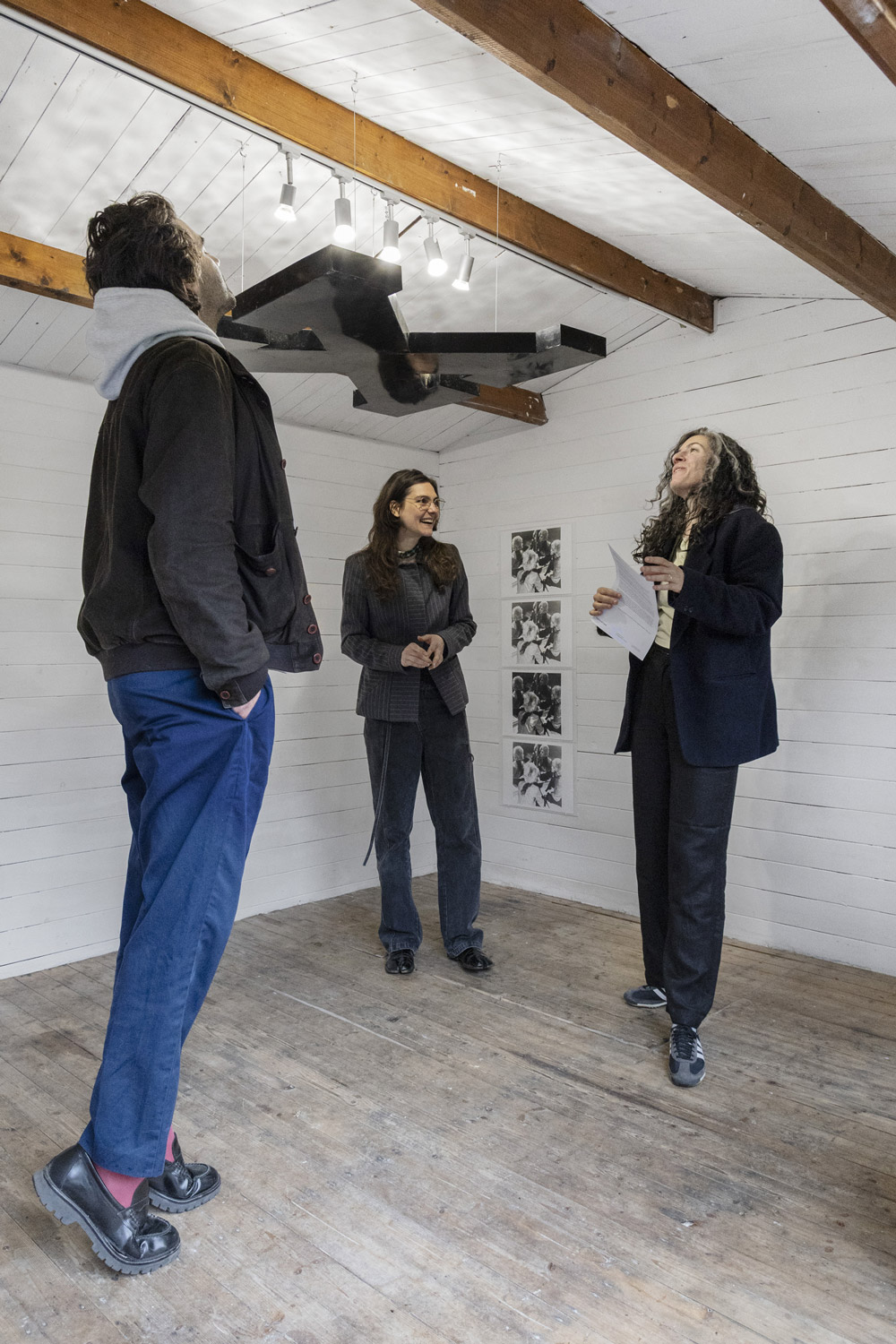
Within the exhibition, and more broadly in her practice, she also questions the status of images, their value, and their power. Conceptually, in this work Linn proposes a signature — a sign, a symbol, a kind of personal and repeated drawing that should be able to represent us — whose meaning here is inverted in an ironic way. Floating above the viewers, this image reflects on how gestures, ideas, and spaces are connoted, controlled, and governed by combinations of contracts, and questions the meaning we project onto things.
FR Ce texte ressort d’un café entre le curateur et l’artiste, échangeant sur la pratique générale de cette dernière, notamment vis-à-vis de son travail exposé en ce moment au KBCB et en imaginant la proposition à l’espace annexe. Le texte met en avant des bribes de ses pensées composant sa pratique.
Le travail artistique de Linn part d’un repérage de comportements, de fonctionnements — qu’elle nomme aussi des formes. Elle regarde le monde à travers un prisme esthétique, et analyse des habitudes, des codes, des comportements, car derrière toute forme, on peut retracer une décision.
Dans son procédé de questionnement, elle a constaté qu’il y a des simplifications dans la société, vers le premier degré, vers la neutralité, vers le plus facile, et que les choses vont vers un système où nous n’avons plus besoin de réfléchir. Aussi, elle s’étonne de se rendre compte, qu’il y a des gens qui ont structuré notre vie. Les architectes, pour prendre un exemple gentil, ont réfléchi là où tu devais passer, et là où tu ne devais pas. On prend tout comme si c’était normal, alors que c’est absolument troublant.
Qui a décidé ça ? Qui a l’autorité de dire ce qu’est-ce qui est vrai ou faux ? Qui dit comment nous devons nous comporter ? Qui a le pouvoir de décider ce qui a de la valeur ou non ?
Relativement à ces interrogations, l’artiste défend l’humour comme solution possible, car c’est une manière de regarder le monde avec décalage. Mais l’humour ce n’est pas seulement rire, c’est très complexe. C’est formuler un propos sensé après avoir compris son contexte et ses subtilités — on ne peut pas rire de quelque chose sans le comprendre profondément. L’humour incite donc à la réflexion, il porte un regard et complexifie le sujet. C’est un engagement envers l’autonomie de la pensée.
Dans l’exposition, et au sens large dans sa pratique, elle se questionne aussi sur les statuts des images, sur leur valeur et leur pouvoir. De manière conceptuelle, Linn propose dans ce travail une signature — un signe, un symbole, une sorte de dessin personnel et répété qui doit pouvoir nous représenter —, dont le sens ici est retourné de manière ironique. Flottant au-dessus des spectateur-trice-xs, cette image réfléchit à comment les gestes, les idées, les espaces sont connotés, contrôlés et régis par des combinaisons de contrats, et questionne le sens qu'on projette sur les choses.
DE Dieser Text geht aus einem Gespräch bei einem Kaffee zwischen dem Kurator und der Künstlerin hervor, in dem sie über die allgemeine Praxis der Letzteren sprechen, insbesondere in Bezug auf ihre derzeit im KBCB ausgestellte Arbeit sowie im Hinblick auf eine mögliche Präsentation im Annexraum. Der Text hebt Fragmente ihrer Gedanken hervor, die ihre Praxis ausmachen.
Linns künstlerische Arbeit geht von der Beobachtung von Verhaltensweisen und Funktionsweisen aus — die sie auch als Formen bezeichnet. Sie betrachtet die Welt durch ein ästhetisches Prisma und analysiert Gewohnheiten, Codes und Verhaltensweisen, denn hinter jeder Form lässt sich eine Entscheidung nachvollziehen.
Im Zuge ihres Hinterfragens hat sie festgestellt, dass es in der Gesellschaft Vereinfachungen gibt — hin zum Offensichtlichen, zur Neutralität, zum Einfachsten — und dass sich die Dinge in Richtung eines Systems bewegen, in dem wir nicht mehr nachdenken müssen. Ebenso ist sie erstaunt darüber zu erkennen, dass es Menschen gibt, die unser Leben strukturiert haben. Architekten haben, um ein harmloses Beispiel zu nennen, darüber nachgedacht, wo man sich bewegen soll und wo nicht. Wir nehmen all das als selbstverständlich hin, obwohl es zutiefst verstörend ist.
Wer hat das entschieden? Wer hat die Autorität zu bestimmen, was wahr oder falsch ist? Wer sagt uns, wie wir uns verhalten sollen? Wer hat die Macht zu entscheiden, was Wert hat oder nicht?
In Bezug auf diese Fragen verteidigt die Künstlerin den Humor als mögliche Lösung, da er eine Art ist, die Welt mit einer Verschiebung der Perspektive zu betrachten. Doch Humor bedeutet nicht nur zu lachen, er ist äußerst komplex. Es geht darum, eine sinnvolle Aussage zu formulieren, nachdem man ihren Kontext und ihre Feinheiten verstanden hat — man kann über etwas nicht lachen, ohne es tiefgehend zu verstehen. Humor regt also zum Nachdenken an, nimmt eine Perspektive ein und verkompliziert das Thema. Er ist ein Bekenntnis zur Autonomie des Denkens.
In der Ausstellung, und allgemein in ihrer Praxis, hinterfragt sie zudem den Status von Bildern, ihren Wert und ihre Macht. Auf konzeptueller Ebene schlägt Linn in dieser Arbeit eine Signatur vor — ein Zeichen, ein Symbol, eine Art persönliche und wiederholte Zeichnung, die uns repräsentieren soll — deren Bedeutung hier auf ironische Weise umgekehrt wird. Über den Betrachter*innen schwebend reflektiert dieses Bild darüber, wie Gesten, Ideen und Räume durch Kombinationen von Verträgen konnotiert, kontrolliert und geregelt werden, und stellt den Sinn infrage, den wir den Dingen zuschreiben.
—————————————————————————————————————
crédits photo : Aude Mayer
graphic design : Sarah Iller & Nicolas Wagner
LN thanks her family and friends for their loving support, and particularly Victor, Pavo, Chris, Needle, Lyna, Mina and Deb, as well as Pool Photo (Aurélie and Yvan) for providing access to the photo lab.
Supported in 2026 by Pro Helvetia, City of Biel & Burgergemeinde Bern. Merci!