Polvere domestica
Muzi
20.02 - 20.03.26
solo exhibition
muzi-soldati.ch
@muzi_soldati
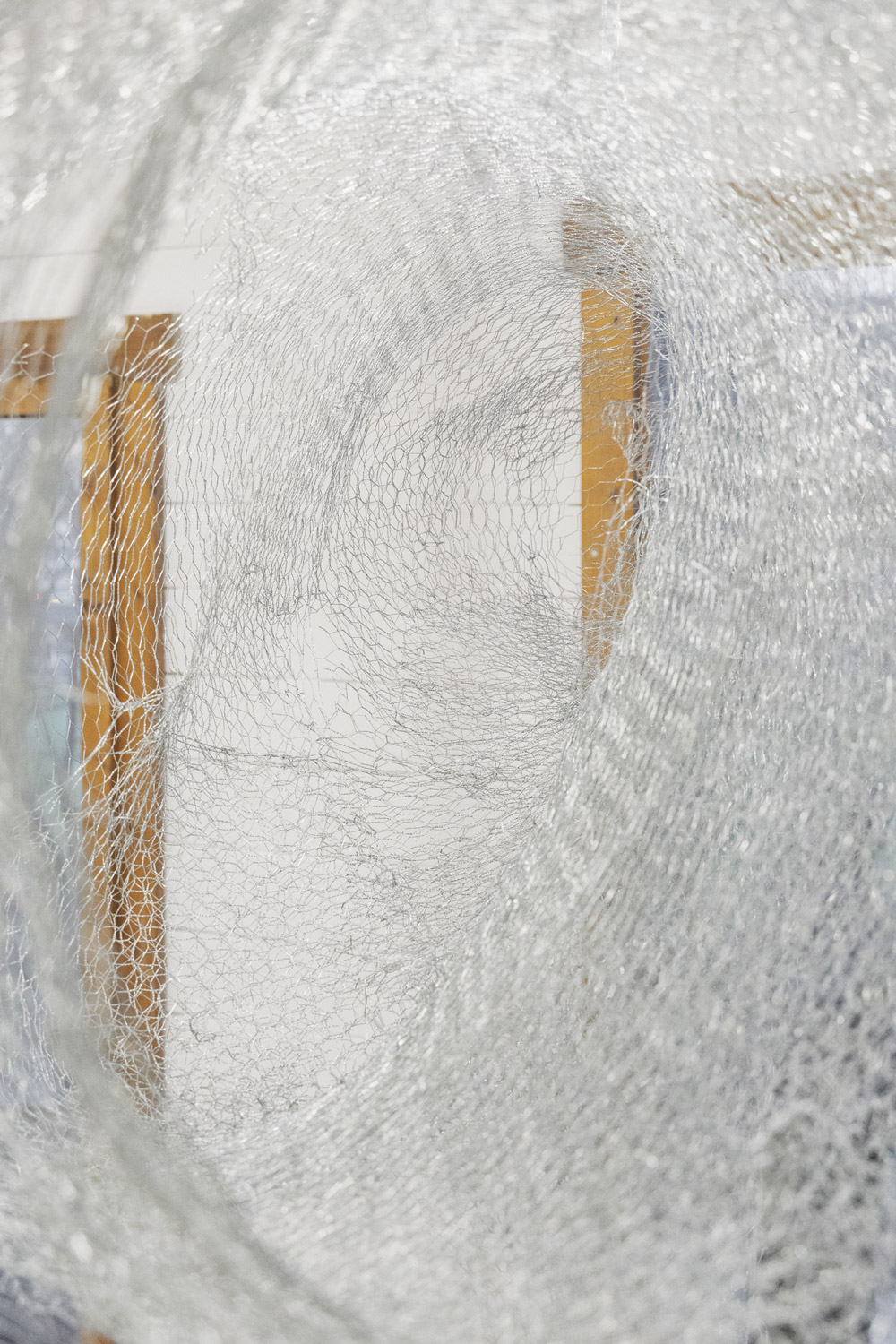
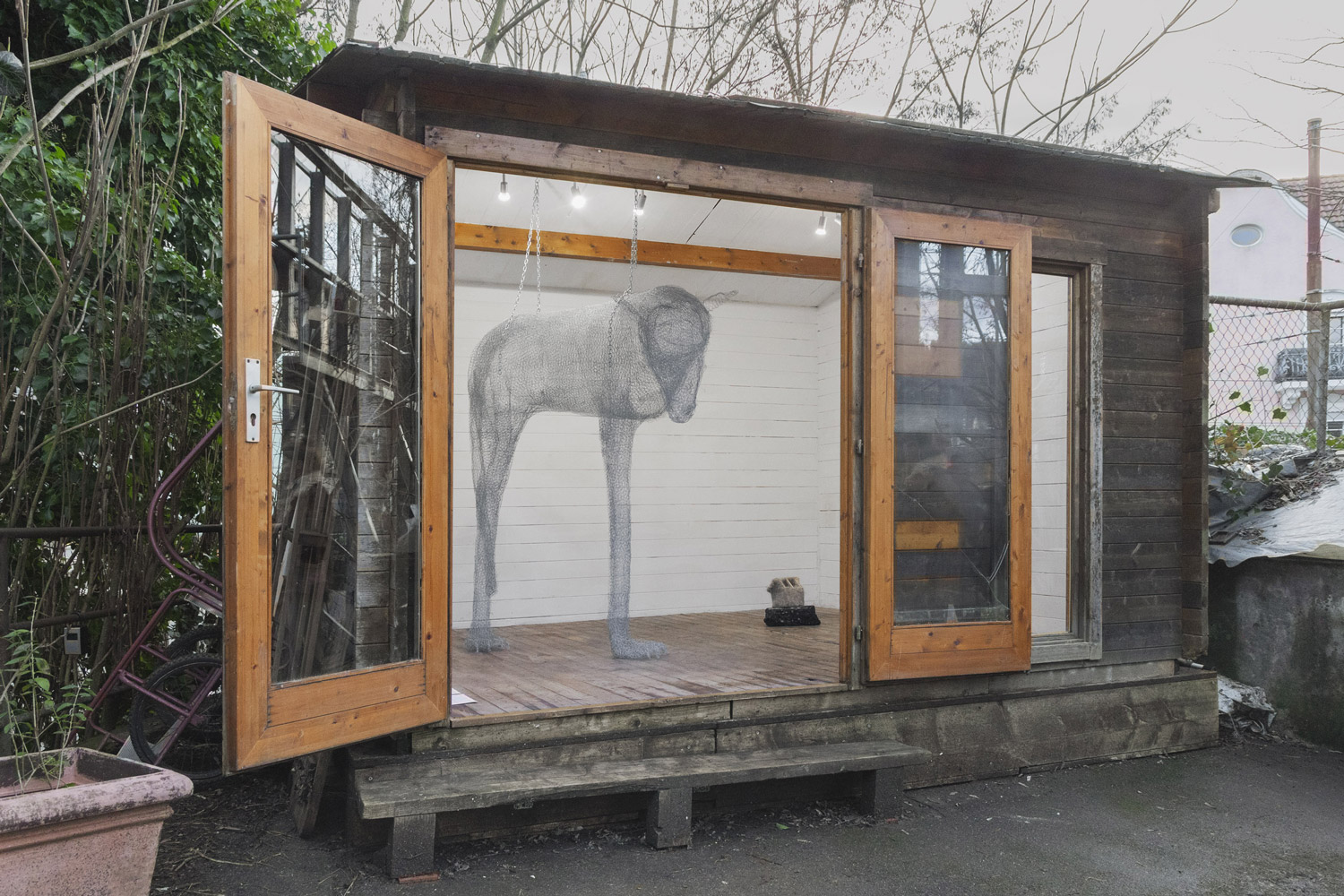
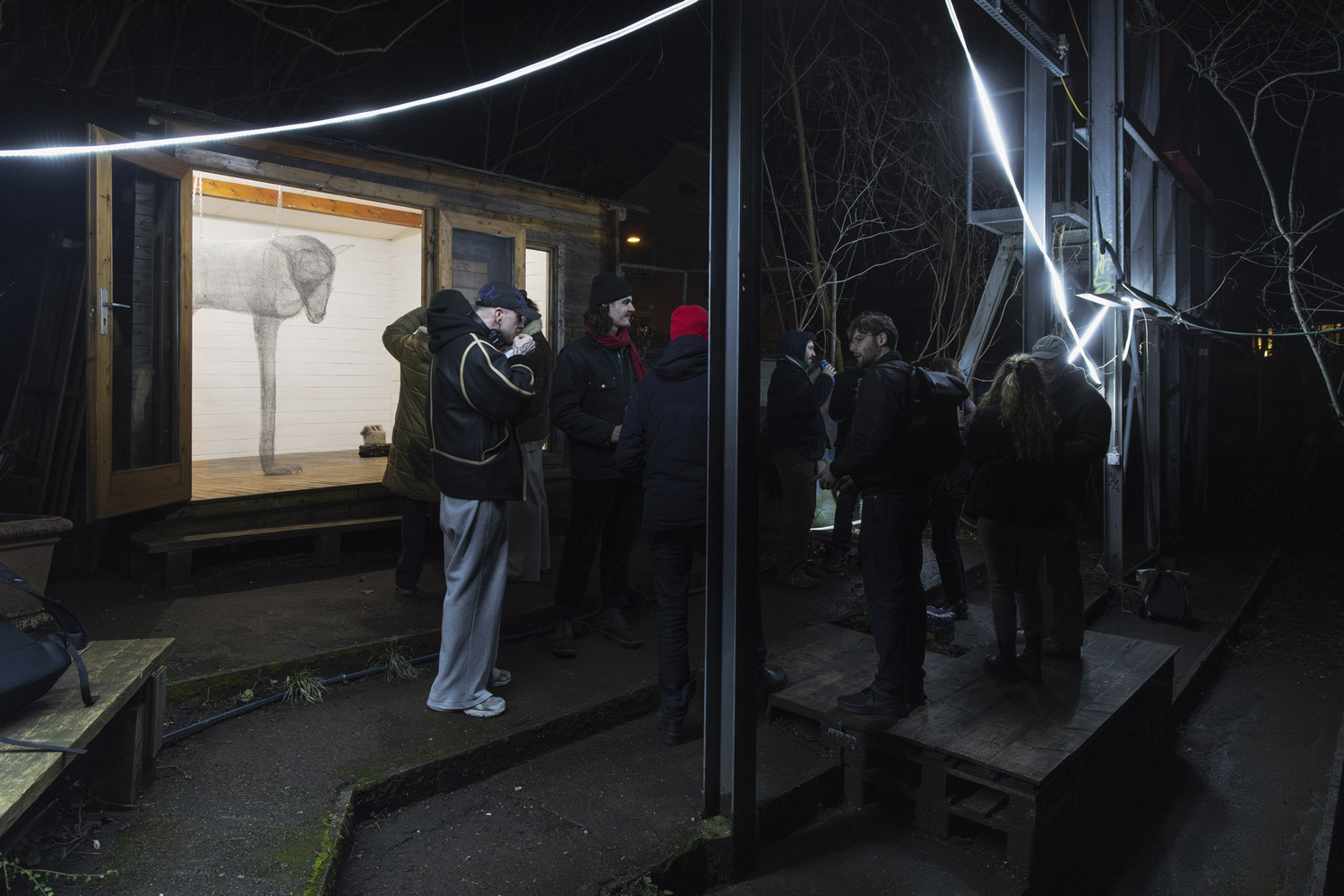
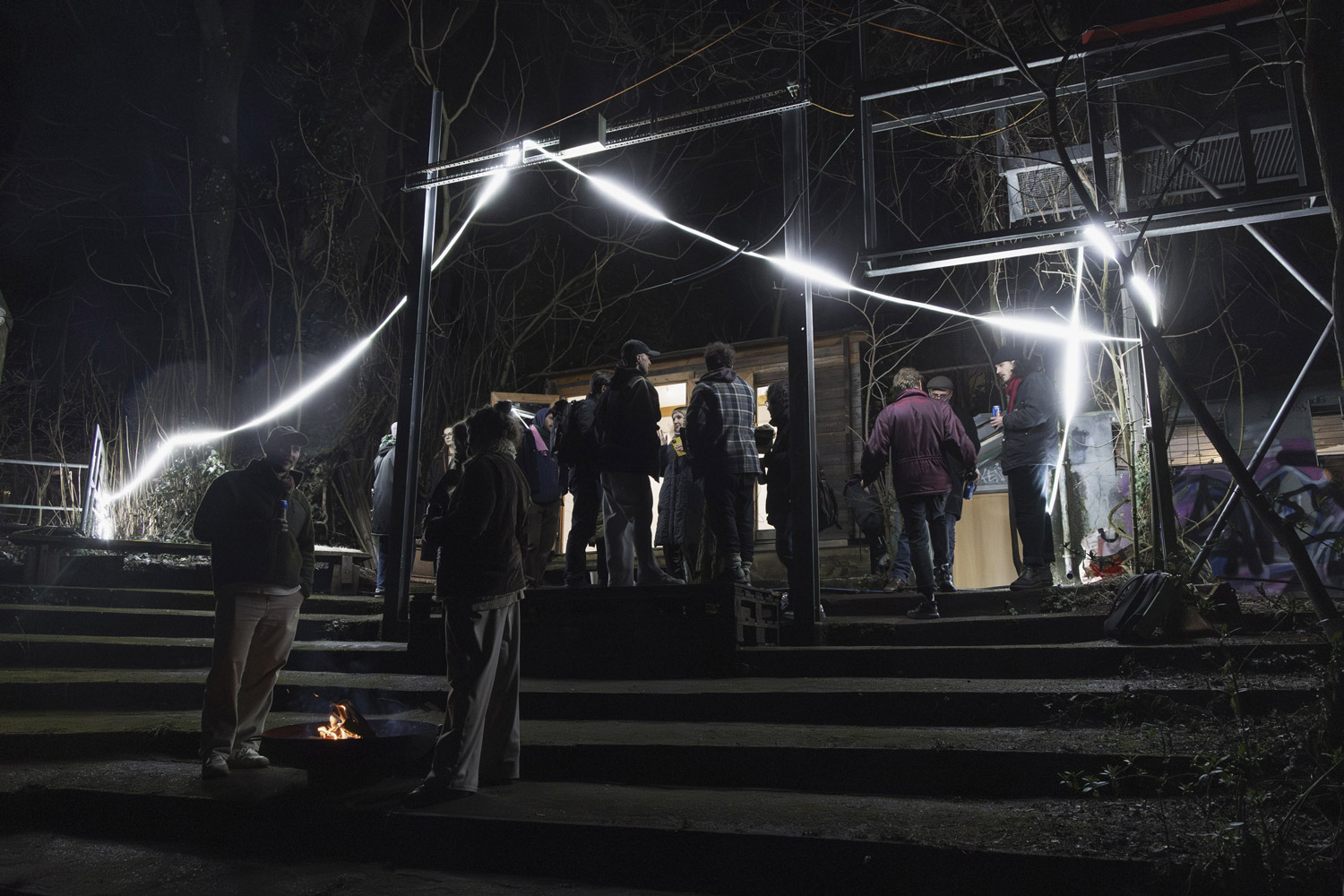
EN The exhibition “Polvere domestica,” literally “domestic dust” in Italian, is a proposal by Muzi that speaks to everyday life and intimacy, to our relationship with things and living beings, and to the way we inhabit the world — between attachment, dependency, and responsibility.
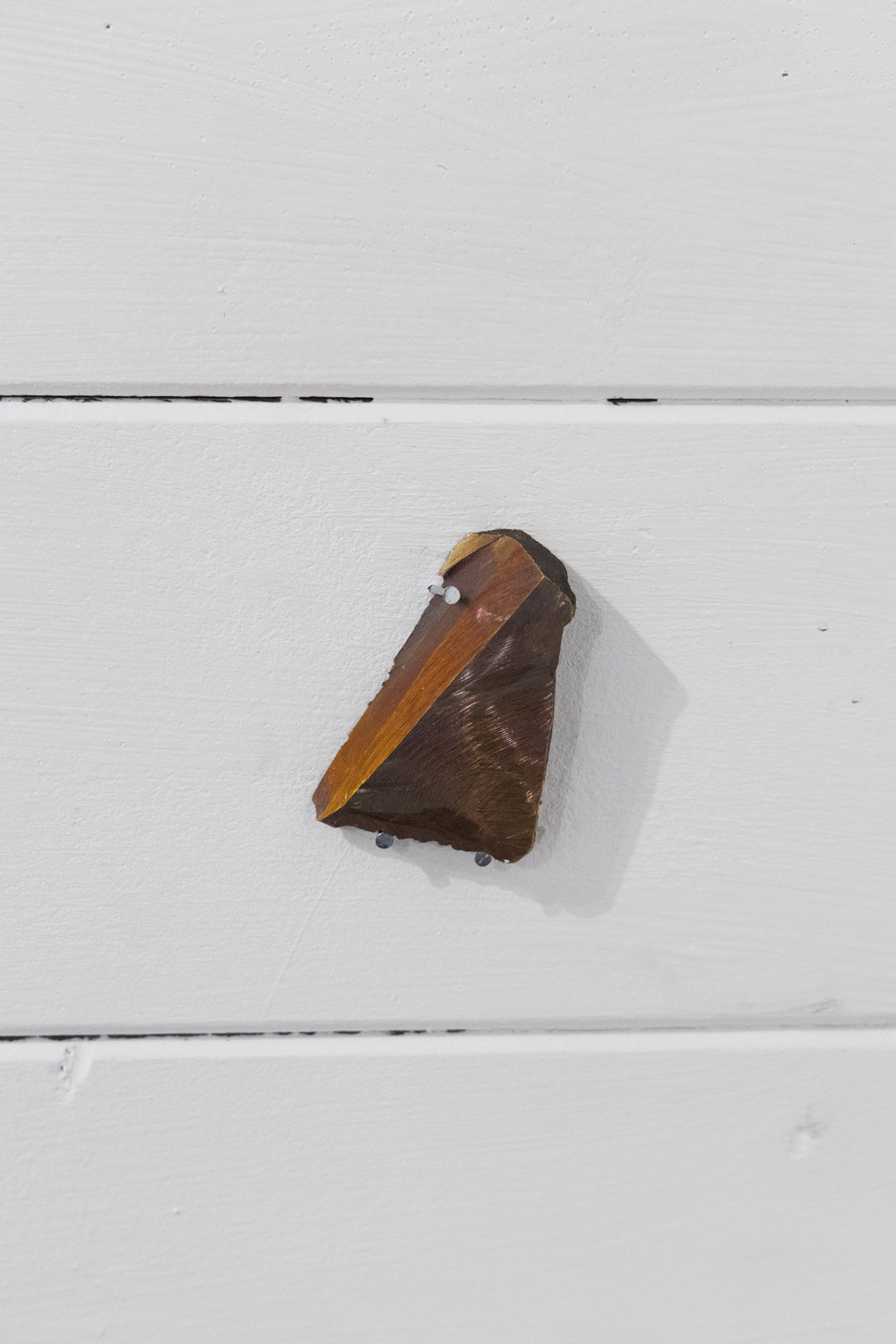
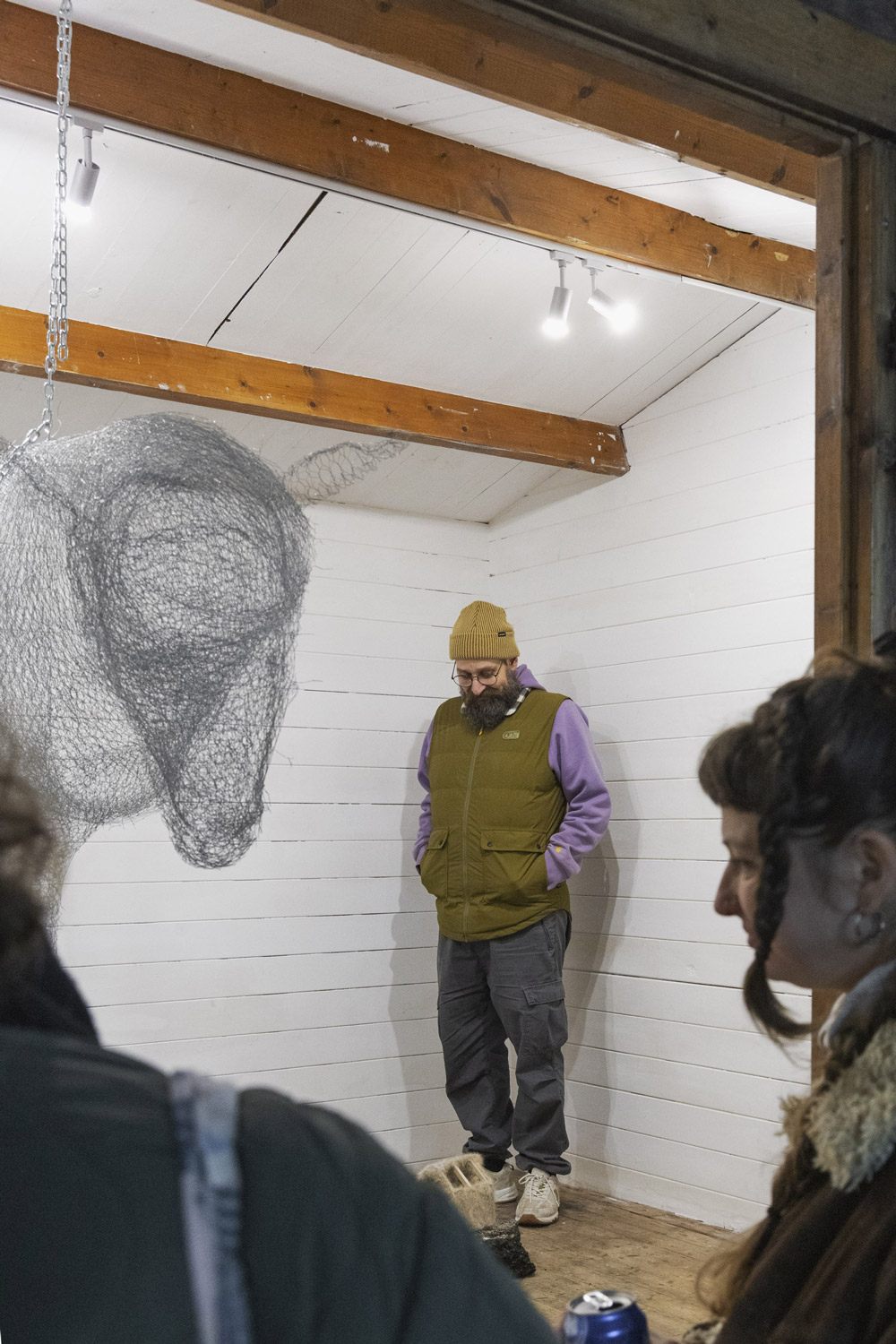
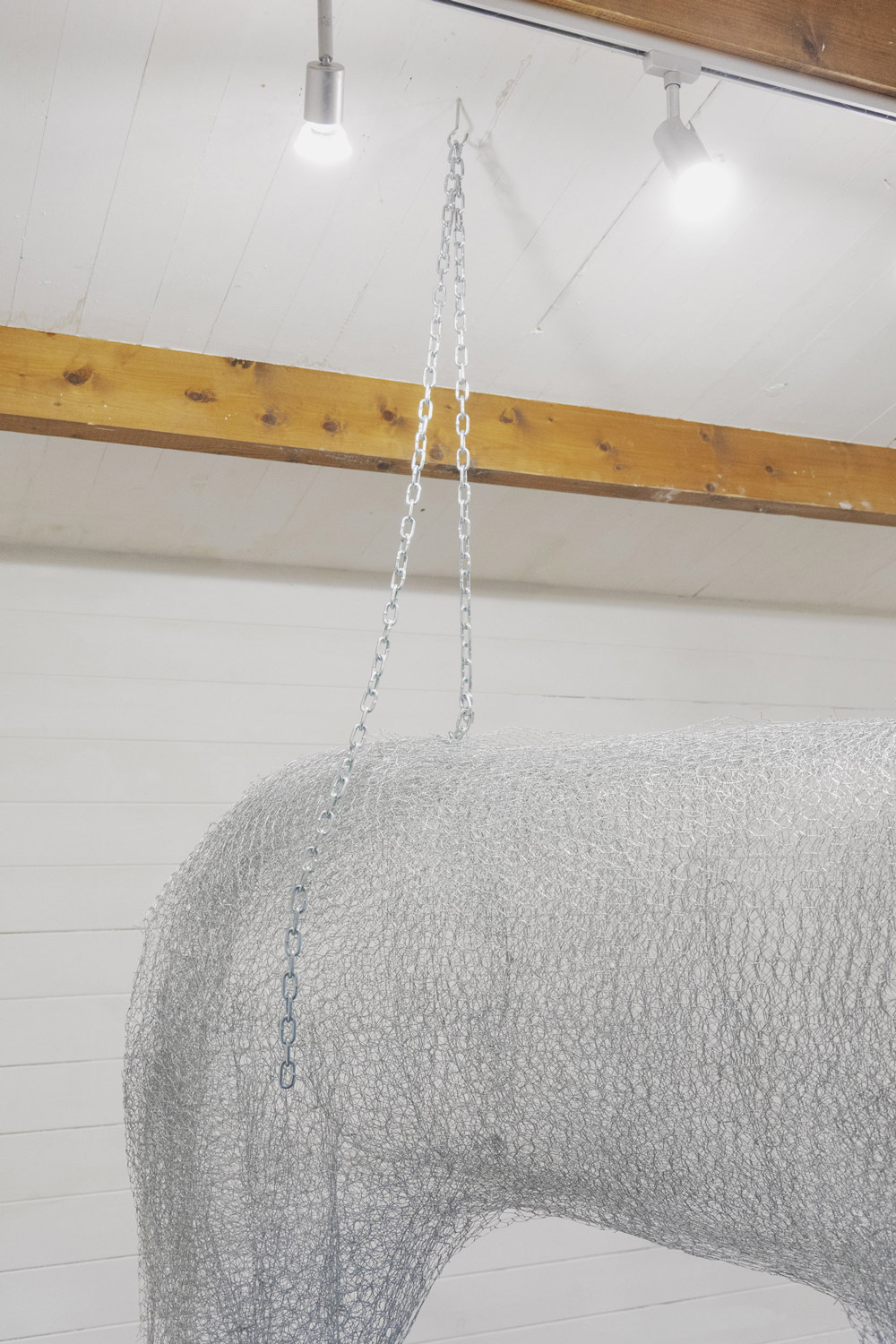
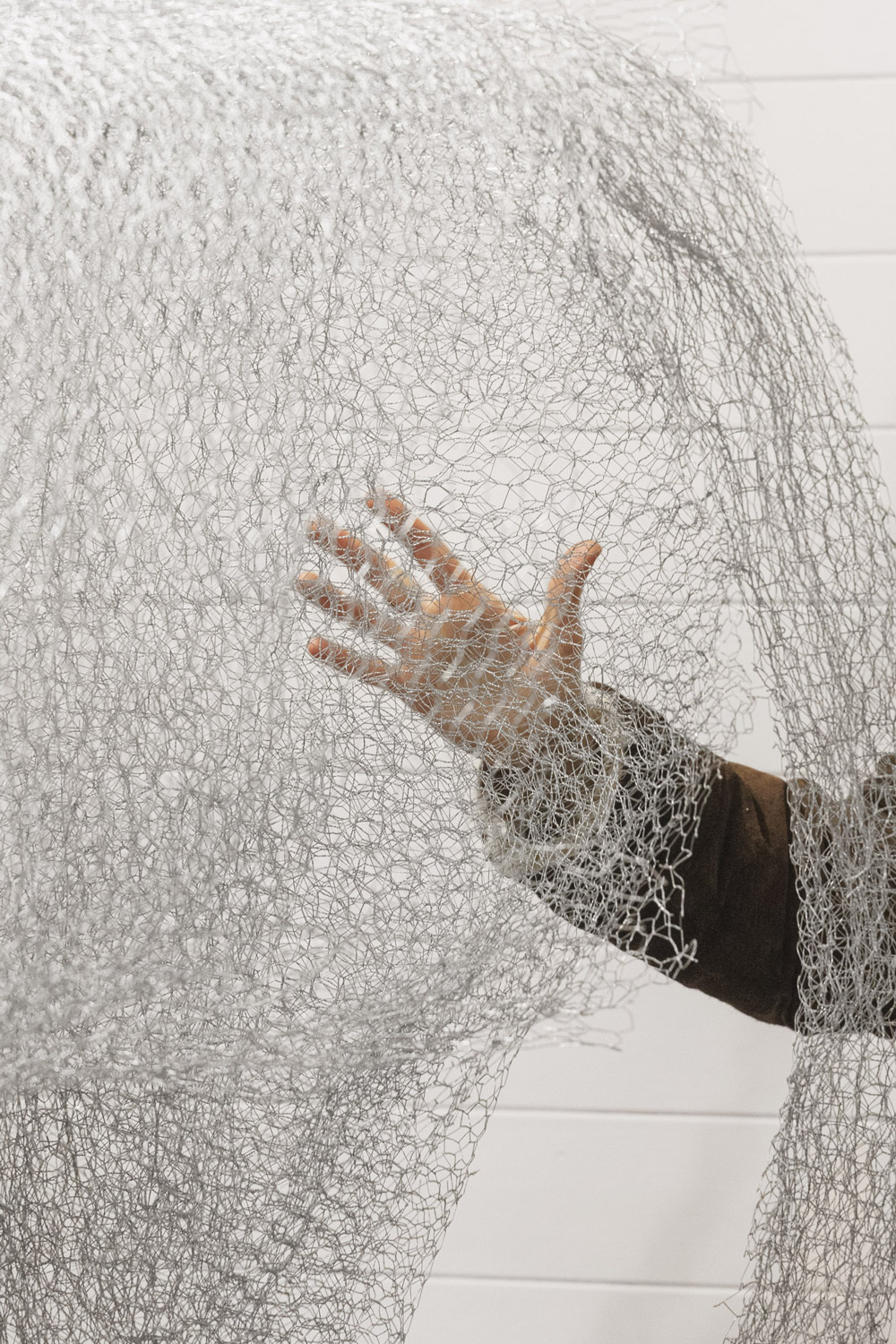
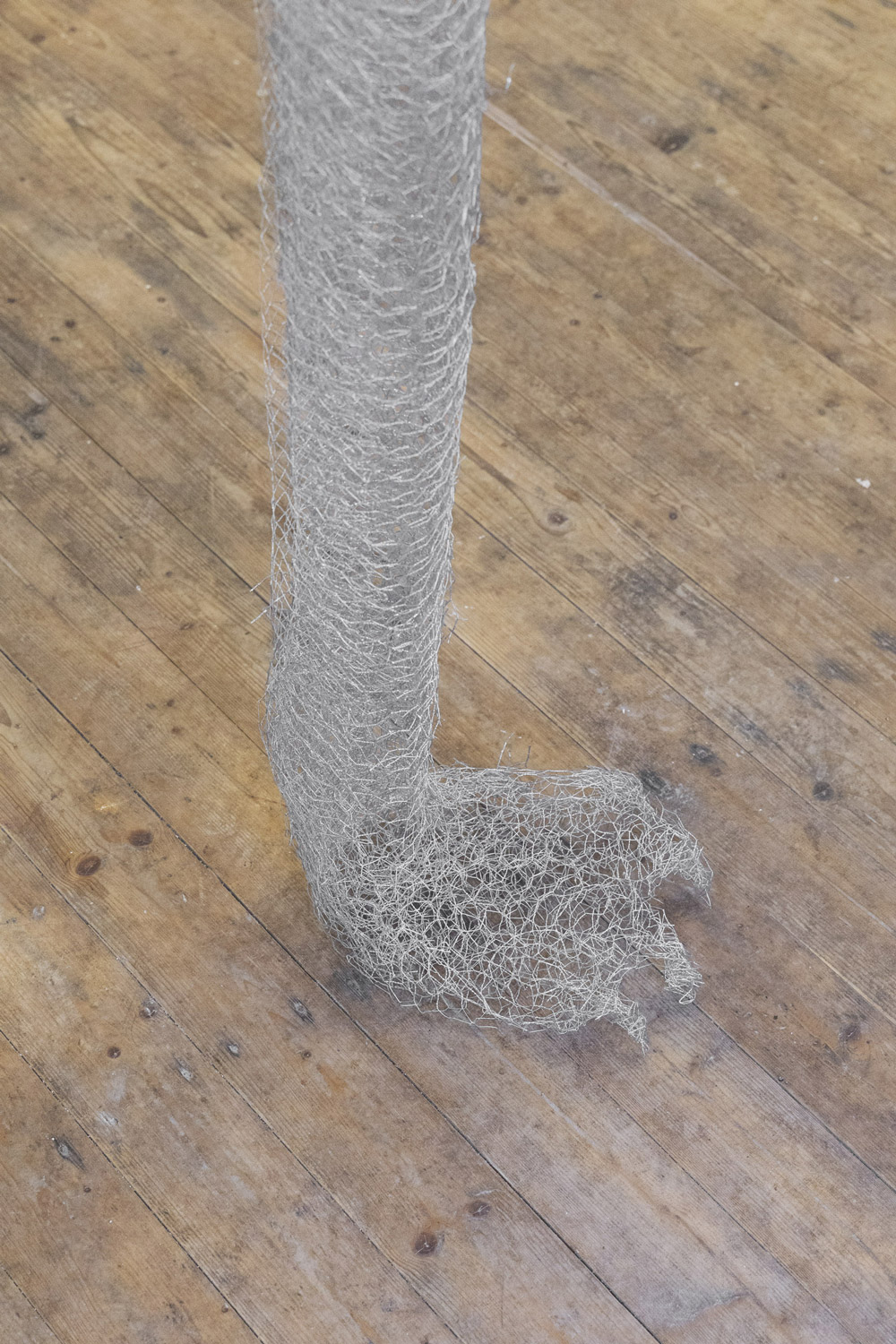
Muzi, Matilde Soldati, is an artist from Ticino based in Biel/Bienne whose practice centers on installation and sculpture. Her commitment to discovering materials, to making them speak, and to foregrounding their value lies at the core of her process. Muzi’s work carries a distinct conceptual dimension, meticulously merging the intentions of her thinking — often infused with poetic visions that interact with the world and unsettle perception — with the practical choices that shape her works. Her creations tease oppositions, play with the senses, and embody figures that are at once conceptual and material.
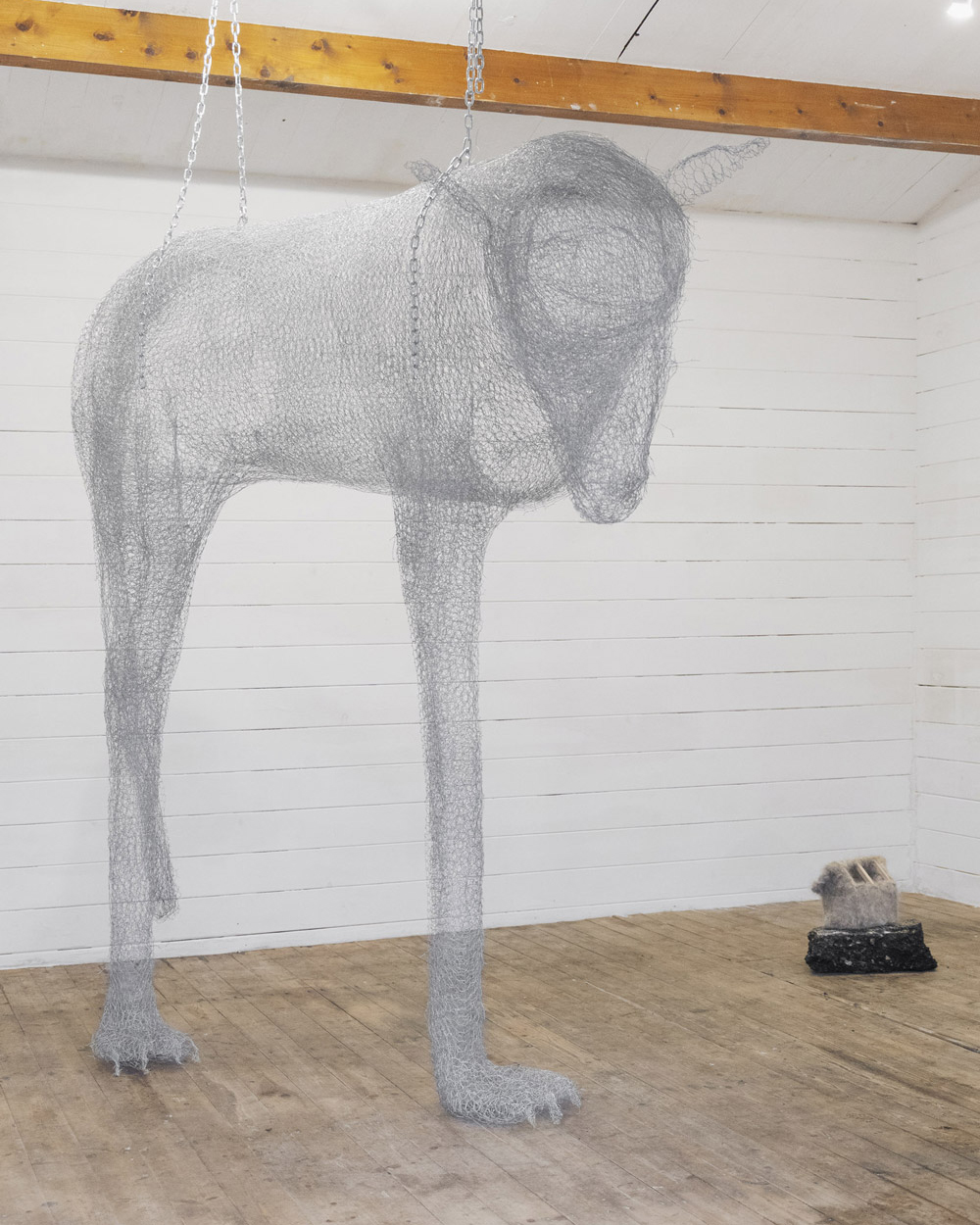
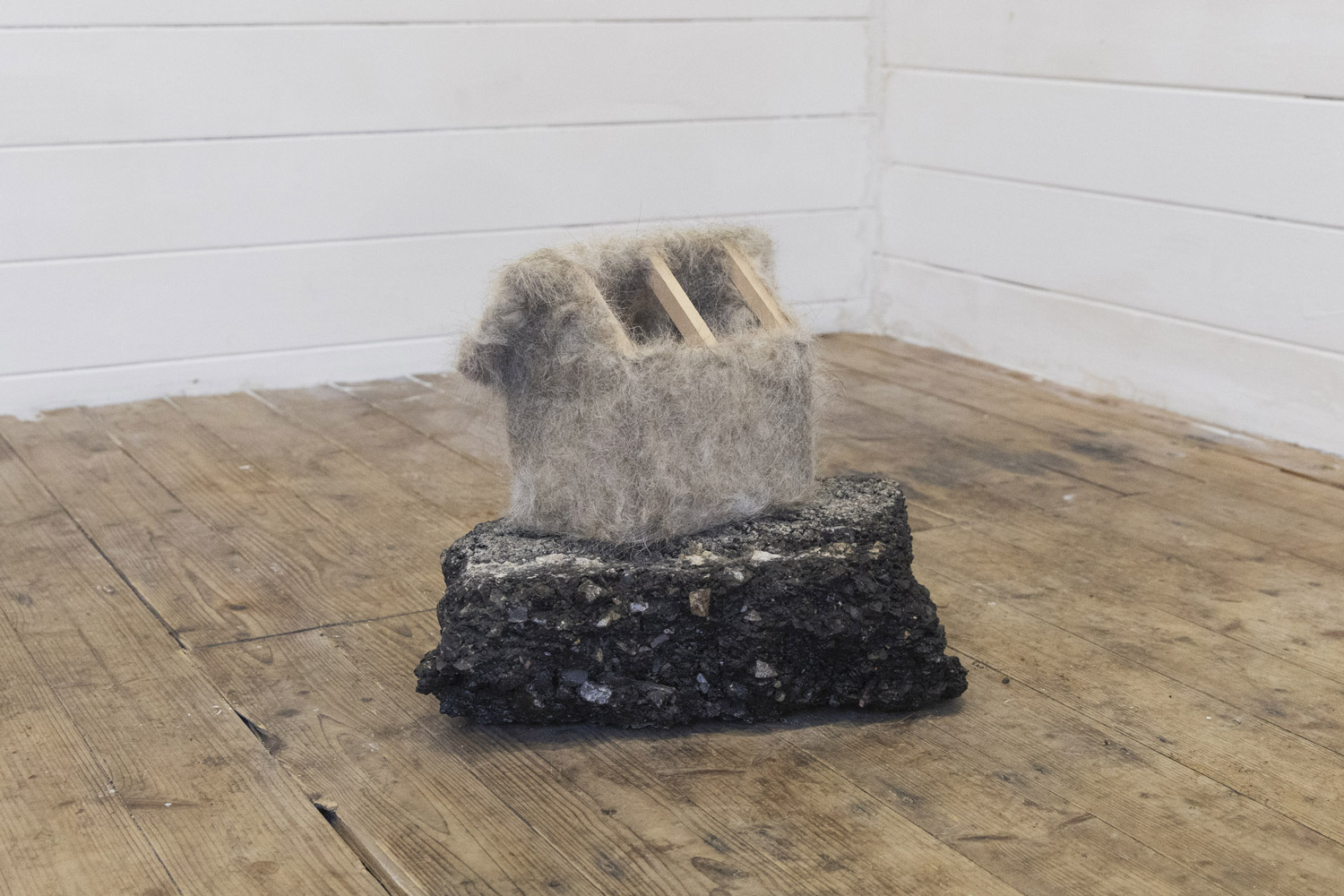
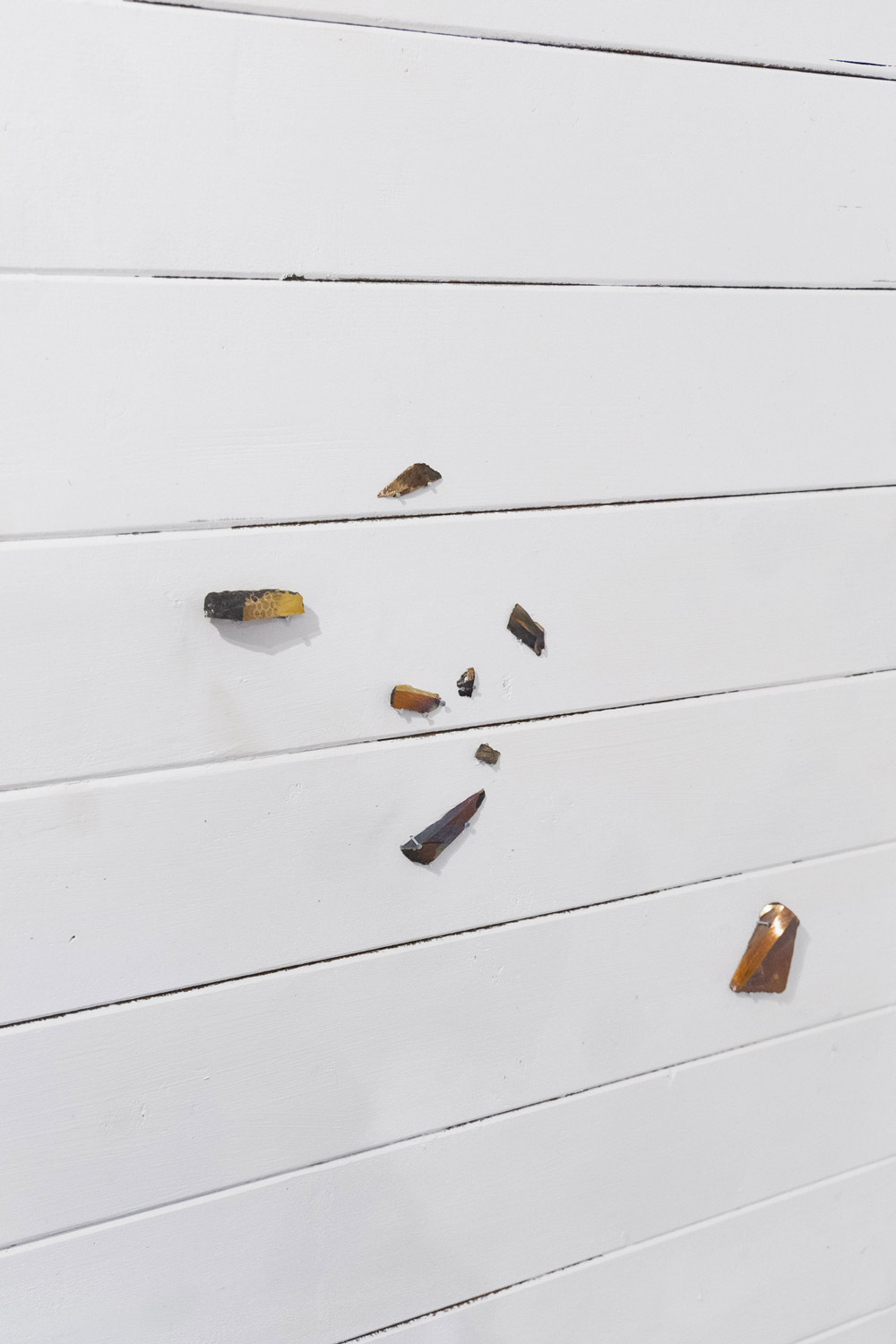
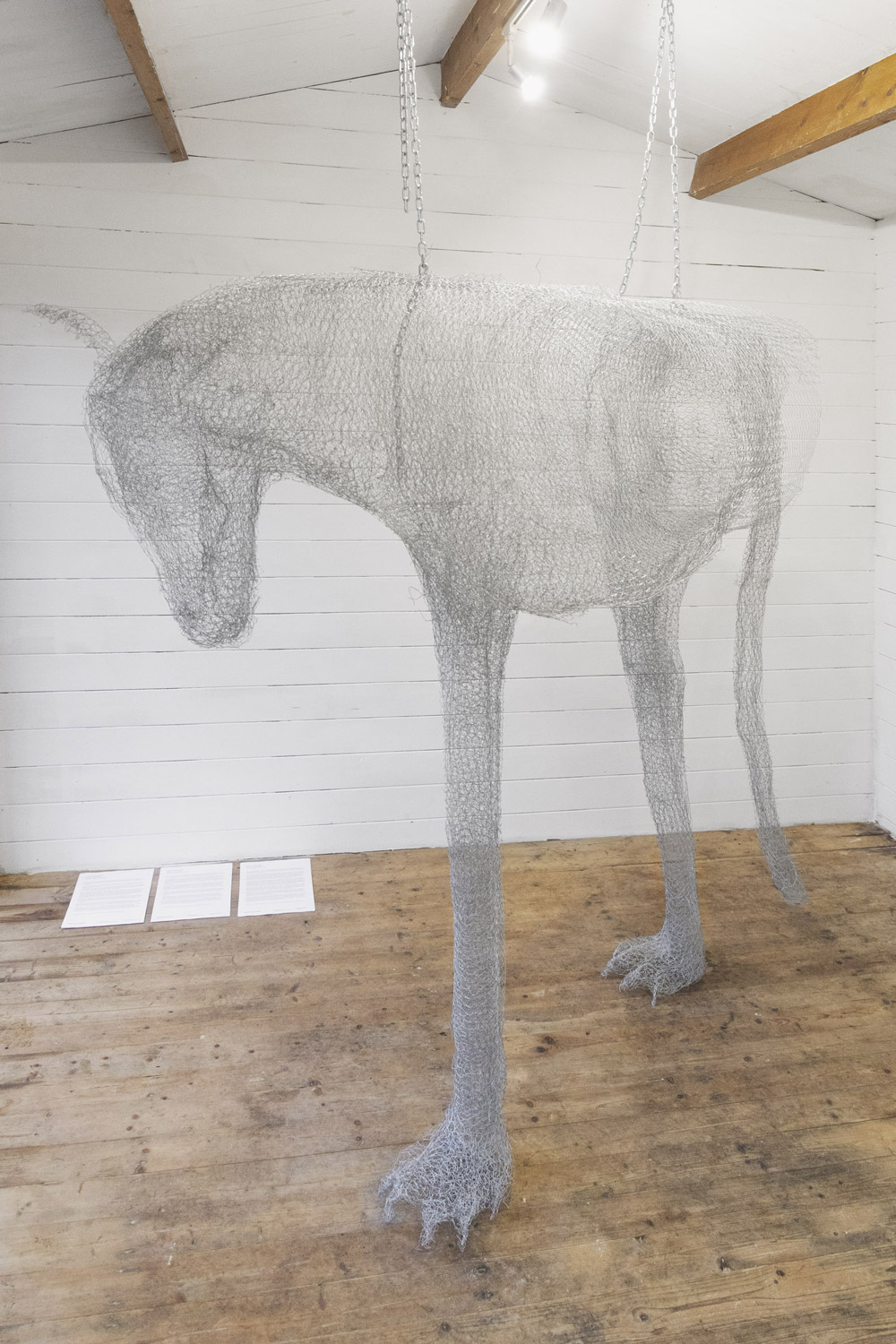
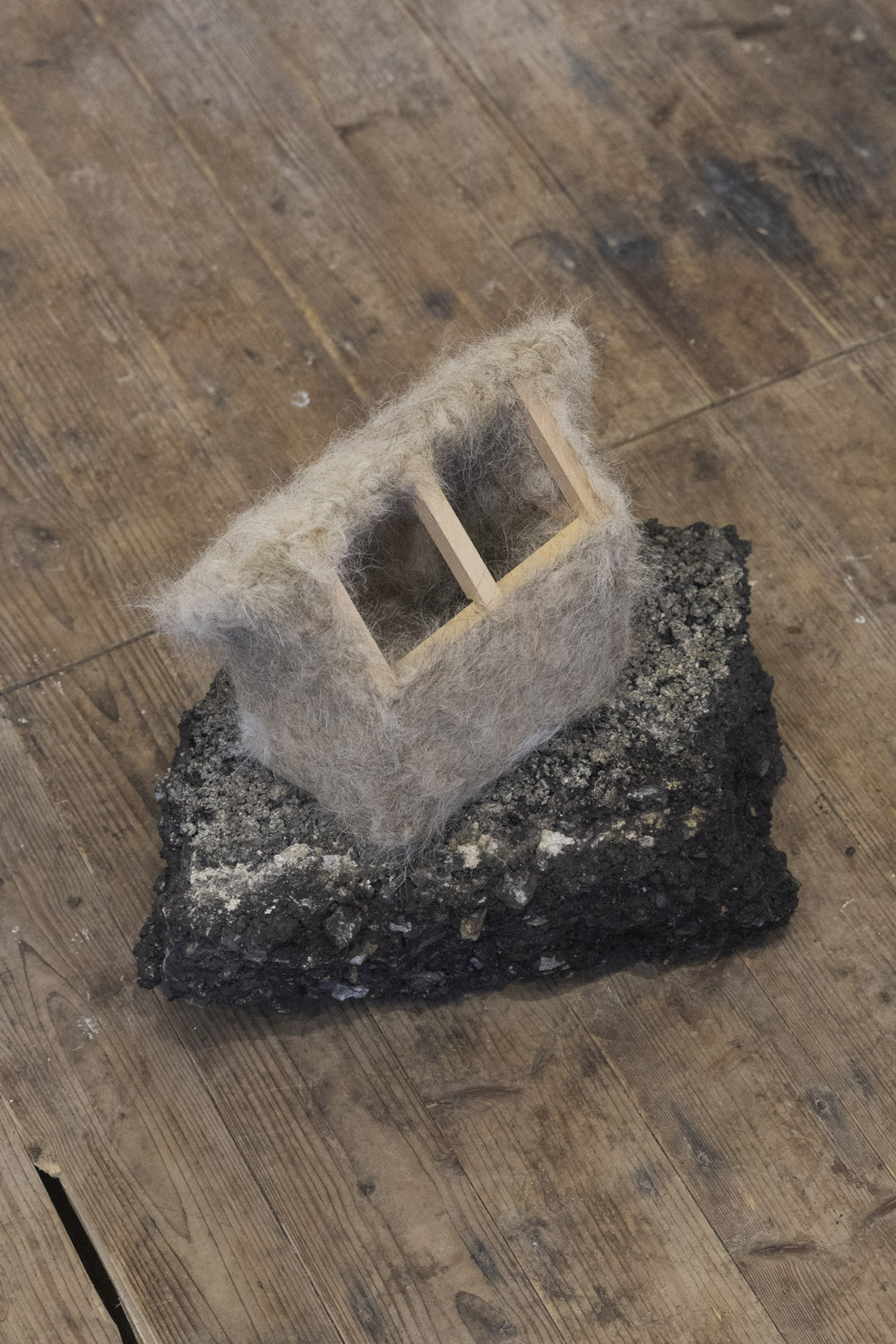
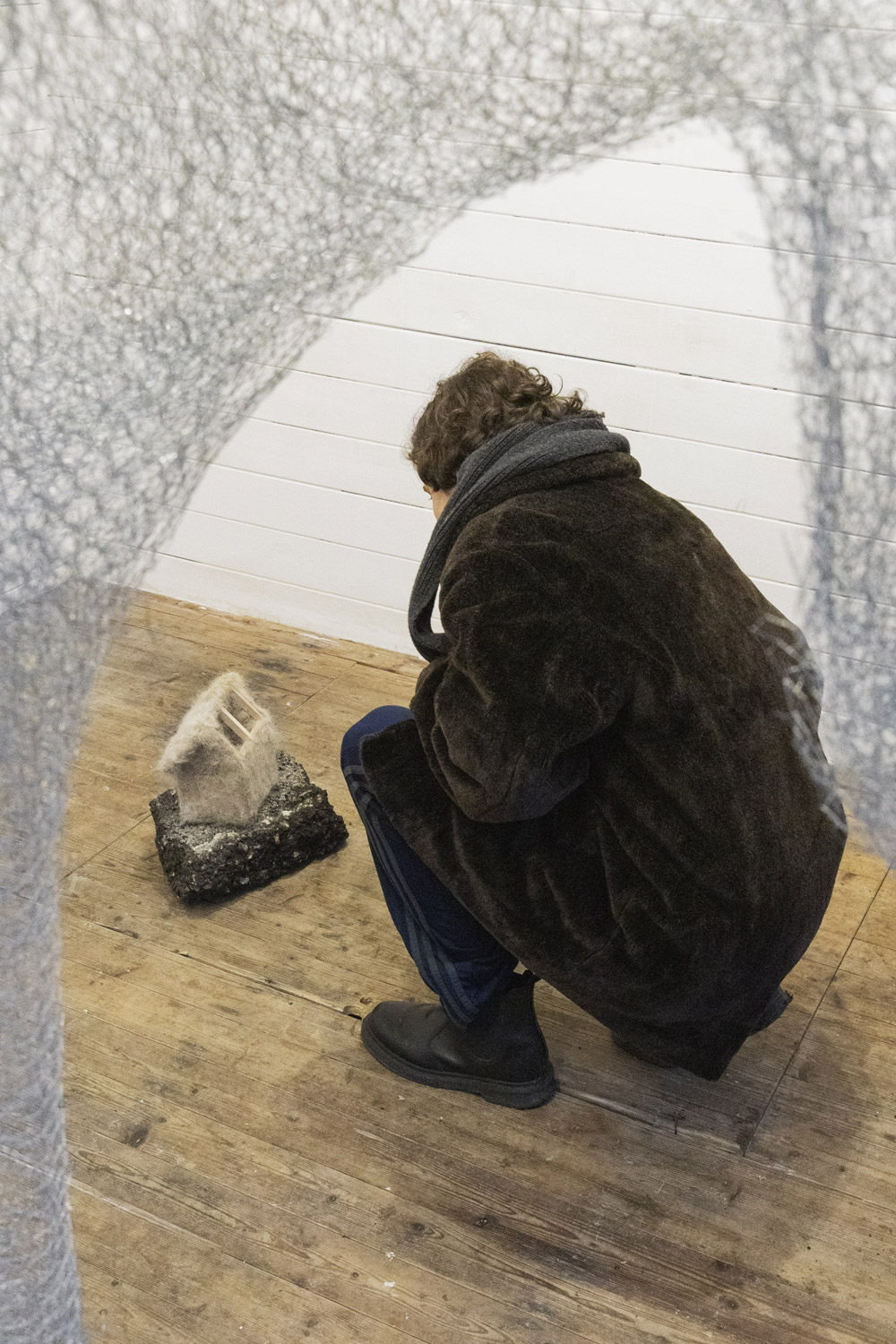
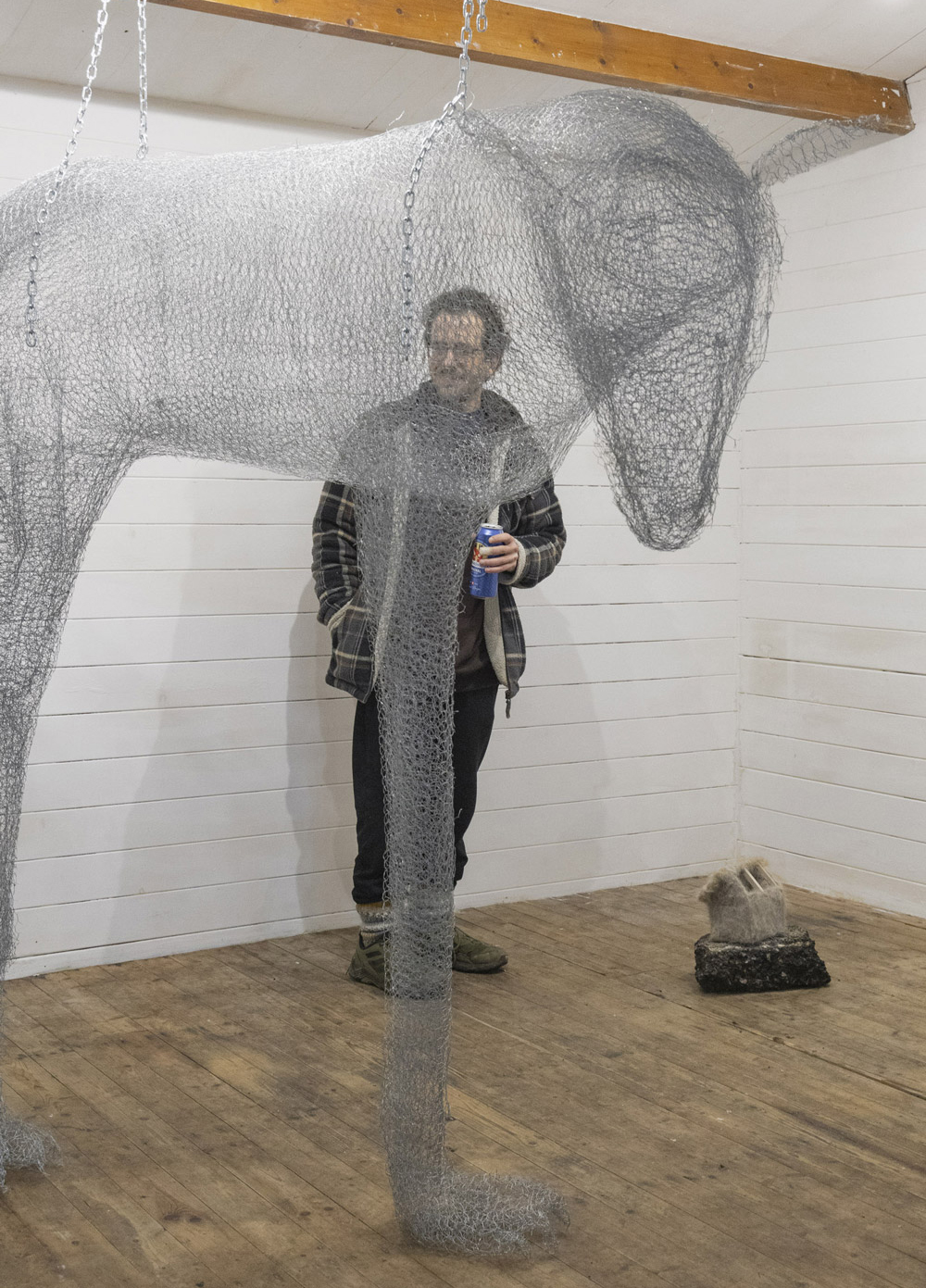
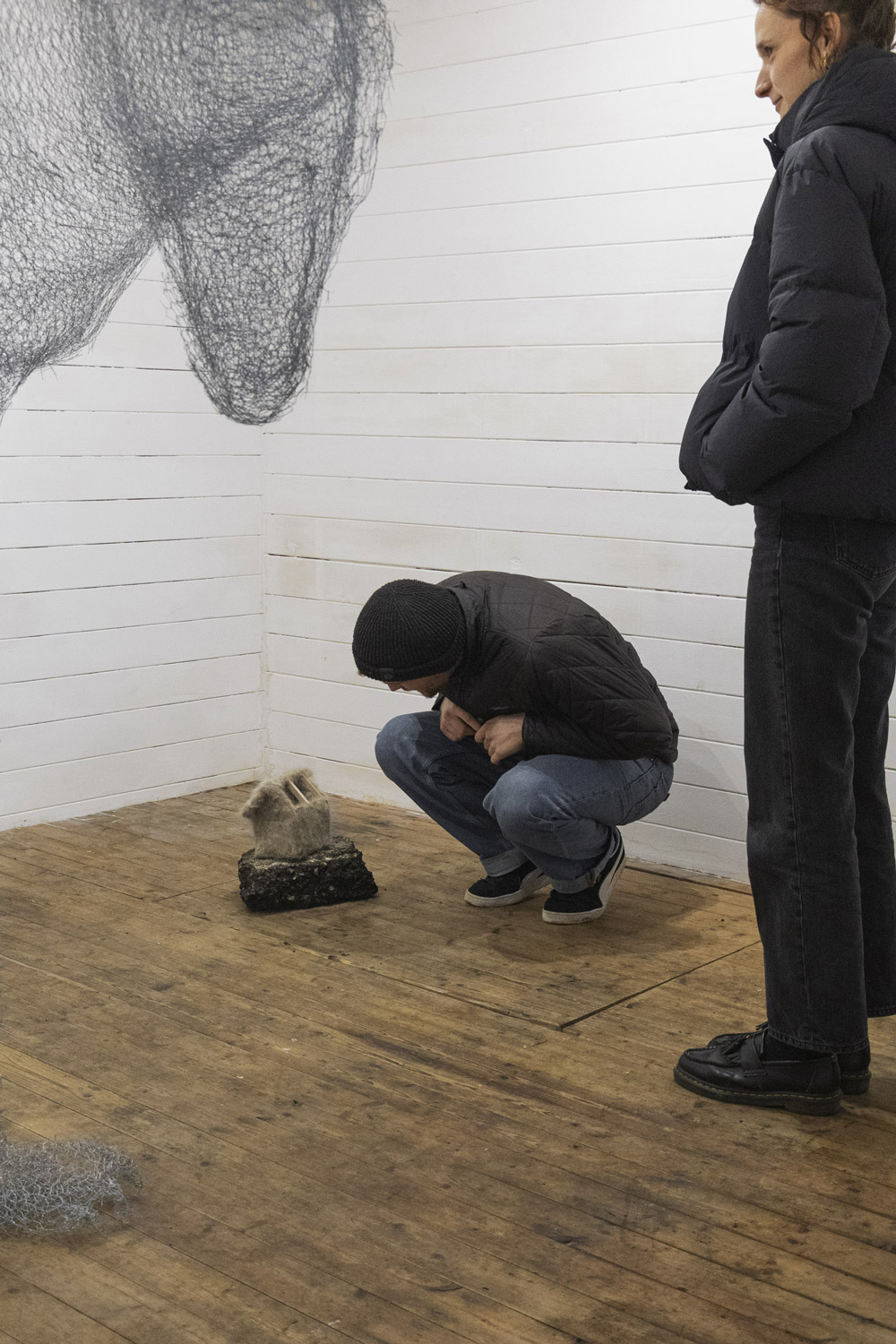
In this exhibition, dust — and in particular the dog hair of her canine life companion, Daisy — is taken as an object of thought. Here, it is imagined as a trace of interspecies cohabitation, shaped by love, dependency, and at times silent suffering. Dust accumulates, is gathered, clusters together; it is always there, unseen yet visible, as visible as it is invisible. We cohabit and interact with it daily, both willingly and unwillingly; it lingers in the corners of rooms, atop cupboards, and behind the books on every shelf. It constitutes an intimate, secret relationship, yet one that carries negative connotations in society.
For Muzi, dust holds strong symbolic potential in relation to our rapport with objects and to our relationships — between humans and animals — with whom we share our spaces and our vulnerabilities. Her proposal seeks to question what we believe we know or understand about the other, to challenge our codified modes of functioning, and to foster a shift in perception in order to revalue what surrounds us.
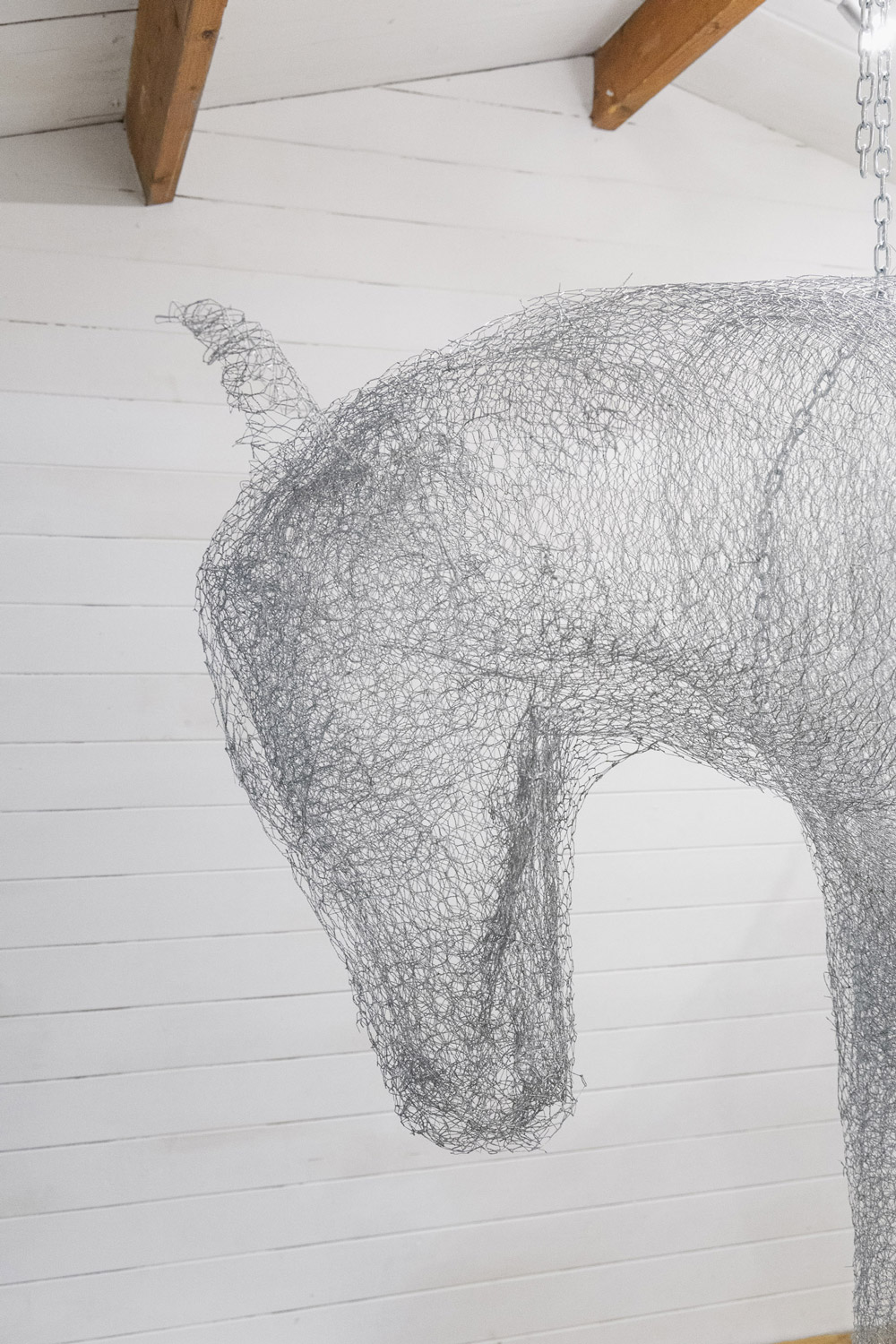
The exhibition also interrogates domestication and the notion of home, of the house. These terms, codified and ambiguous, resonate together in their social ambivalence: on one hand representing safety, protection, intimacy, and love; on the other, imprisonment, control, and possession. It is a constant tension between dominating and being dominated, between attachment and confinement.
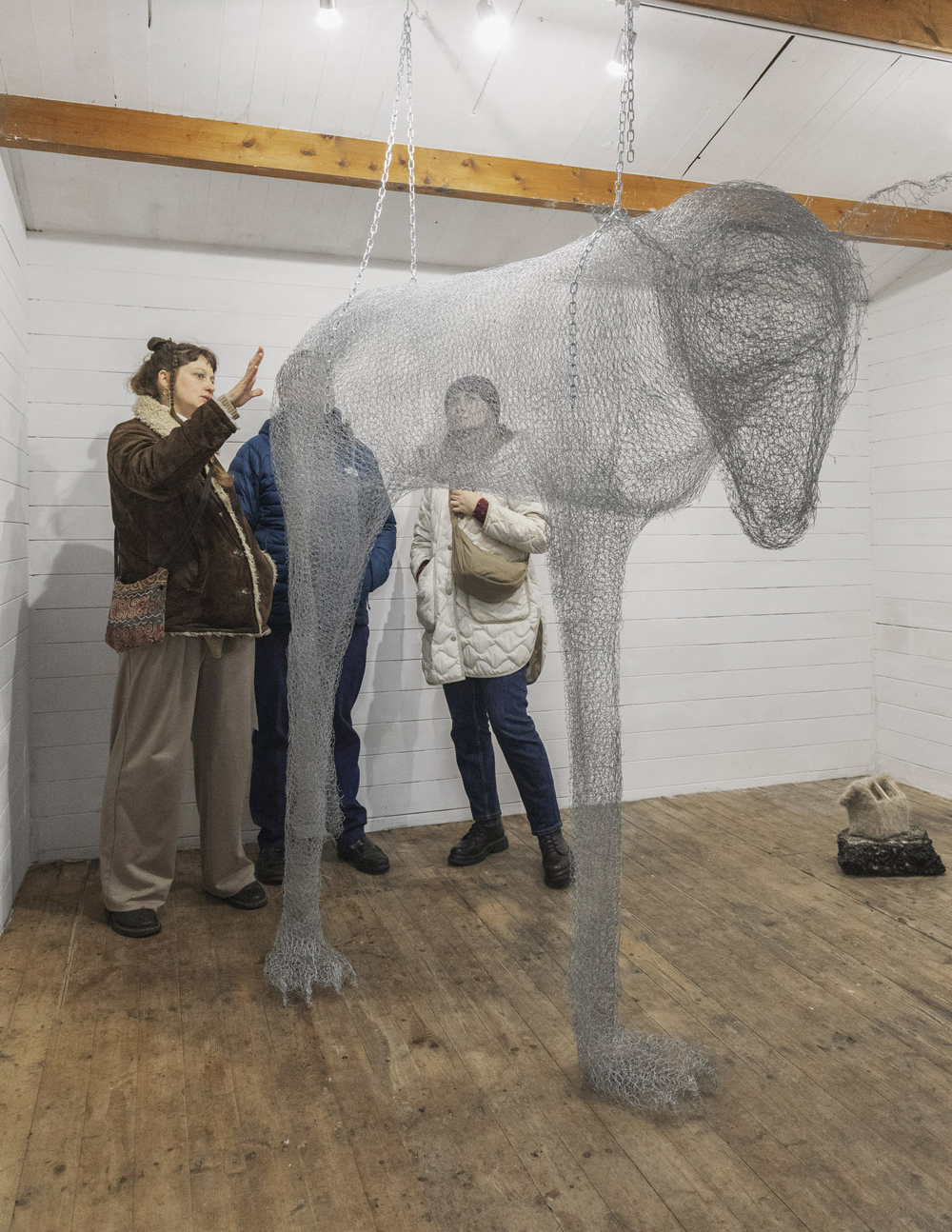
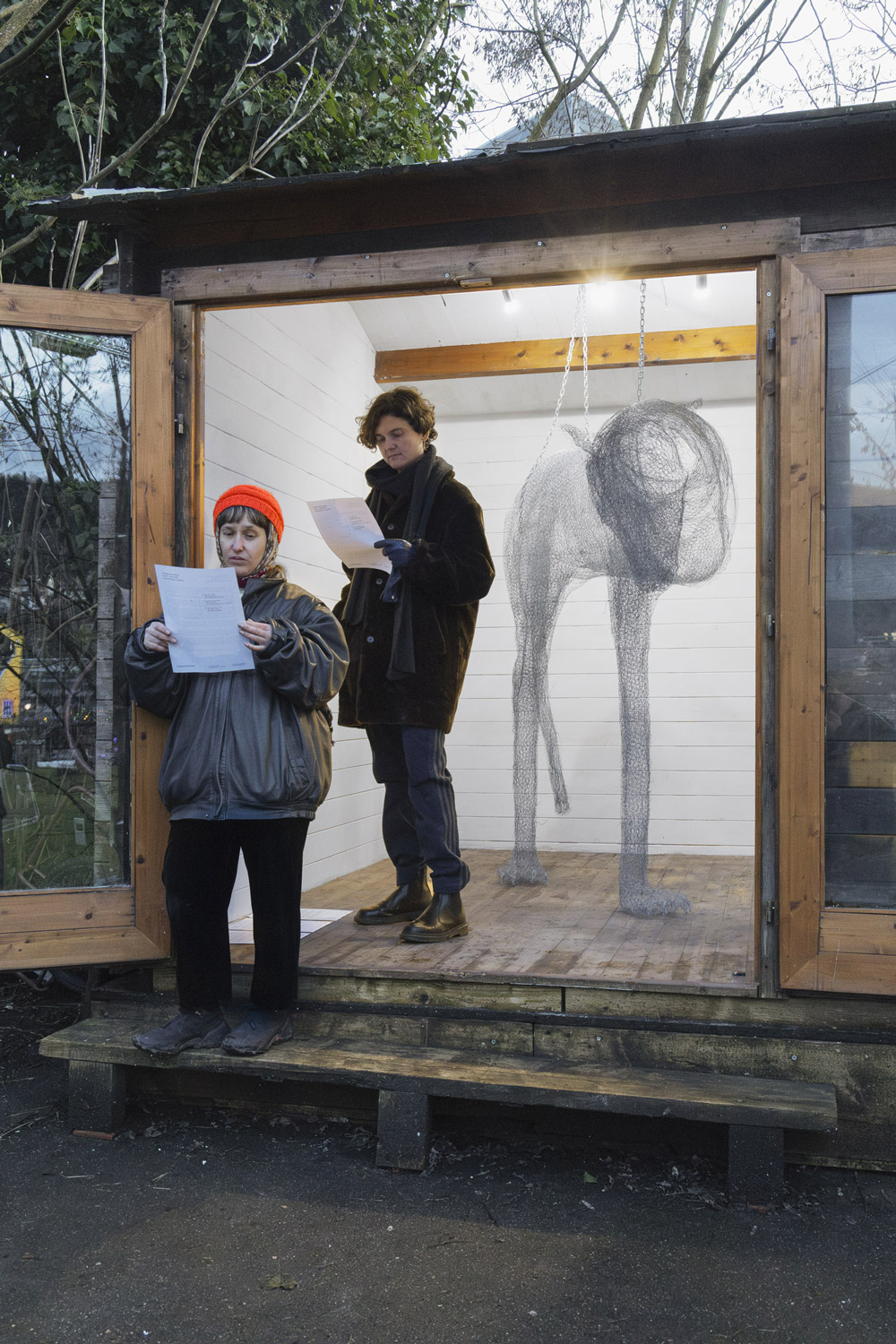
Conceptually, the exhibition aims to reflect on our ways of living and cohabiting with other living beings, to unsettle habitual perspectives beyond the constraints of social codes. The desire to lose one’s bearings, brought about through the artist’s practical choices, invites the public to take a position and to shift perspective regarding their own place within dynamics of power, care, and coexistence. There is a certain beauty in this unstable equilibrium.
FR L’exposition « Polvere domestica », littéralement « poussière domestique » en italien, est une proposition de Muzi, qui nous parle du quotidien et d’intimité, de notre rapport aux choses et aux êtres vivants, à la manière dont nous habitons le monde — entre attachement, dépendance et responsabilité.
Muzi, Matilde Soldati, est une artiste tessinoise résidant à Bienne, qui a une pratique installatrice et sculpturale. Sa volonté de découvrir des matériaux, de les faire parler, de les valoriser, est au centre de son processus.
Le travail de Muzi a notamment un degré conceptuel, qui fusionne méticuleusement les intentions de ses pensées — souvent avec des visions poétiques, qui interagissent avec le monde, et bousculent les perceptions — aux choix pratiques de ses œuvres. Ses créations titillent les opposés, jouent avec les sens et incarne des figures aussi conceptuelles que matérielles.
Dans cette exposition, la poussière — et notamment les poils de chien, de sa compagne de vie canine Daisy — est prise comme objet de pensée. Ici, elle est imaginée comme une trace de cohabitation inter-espèces, faite d’amour, de dépendance et parfois de souffrance silencieuse. La poussière s’accumule, se collecte, se regroupe, elle est toujours là, sans qu’on la voie, aussi visible qu’invisible. Nous cohabitons et relationnons quotidiennement avec elle autant de manière volontaire qu’involontaire, elle traîne dans les fonds de pièces, sur les armoires et derrière les livres de chaque bibliothèque. C’est une relation intime, sécrète, mais aussi connotée négative dans la société.
Pour Muzi, la poussière a un grand potentiel symbolique vis-à-vis de notre rapport aux choses et de nos relations, entre humains et animaux, avec qui nous partageons nos espaces et nos vulnérabilités. Sa proposition tend à interroger ce que l’on croit savoir ou comprendre de l’autre, remettre en question nos fonctionnements codés et promouvoir le changement de perception, afin de valoriser ce qui nous entoure.
L’exposition interroge notamment la domestication et la notion de foyer, de maison. Ces termes, codifiés et ambiguës, résonnent ensemble par leur ambivalence dans la société, représentant d’un côté la sécurité, la protection, l’intimité et l’amour, et de l’autre l’emprisonnement, le contrôle et la possession. C’est une tension constante entre dominer et être dominé, entre attachement et enfermement.
Conceptuellement, l’exposition veut penser nos manières de vivre, de cohabiter avec les autres êtres vivants, bouleverser les perspectives habituelles, indépendamment des codes de la société.
La volonté de perdre ses repères, amenée par les choix pratiques de l’artiste, propose au public une prise de position et un changement de perspective face à sa propre place dans les dynamiques de pouvoir, de soin et de coexistence. Il y a une certaine beauté dans cet équilibre instable.
DE Die Ausstellung „Polvere domestica“, wörtlich „häuslicher Staub“ auf Italienisch, ist ein Vorschlag von Muzi, der vom Alltag und von Intimität spricht, von unserem Verhältnis zu Dingen und zu lebenden Wesen sowie von der Art und Weise, wie wir die Welt bewohnen — zwischen Verbundenheit, Abhängigkeit und Verantwortung.
Muzi, Matilde Soldati, ist eine Tessiner Künstlerin mit Wohnsitz in Biel/Bienne, deren Praxis installativ und skulptural ausgerichtet ist. Ihr Bestreben, Materialien zu entdecken, sie zum Sprechen zu bringen und aufzuwerten, steht im Zentrum ihres künstlerischen Prozesses. Muzis Arbeit weist insbesondere eine konzeptuelle Dimension auf, die die Intentionen ihrer Gedanken — oft durchzogen von poetischen Visionen, die mit der Welt interagieren und Wahrnehmungen irritieren — sorgfältig mit den praktischen Entscheidungen ihrer Werke verschränkt. Ihre Arbeiten reizen Gegensätze aus, spielen mit den Sinnen und verkörpern Figuren, die zugleich konzeptuell wie materiell sind.
In dieser Ausstellung wird Staub — insbesondere die Hundehaare ihrer tierischen Lebensgefährtin Daisy — als Denkobjekt aufgegriffen. Hier wird er als Spur eines interspezifischen Zusammenlebens verstanden, geprägt von Liebe, Abhängigkeit und mitunter stillem Leid. Staub sammelt sich an, wird aufgehoben, ballt sich zusammen; er ist stets da, ungesehen und doch sichtbar, ebenso sichtbar wie unsichtbar. Wir koexistieren und interagieren täglich mit ihm, sowohl freiwillig als auch unfreiwillig; er liegt in den Ecken der Räume, auf Schränken und hinter den Büchern in jedem Regal. Es handelt sich um eine intime, geheime Beziehung, die gesellschaftlich zugleich negativ konnotiert ist.
Für Muzi besitzt Staub ein großes symbolisches Potenzial im Hinblick auf unser Verhältnis zu Dingen und auf unsere Beziehungen — zwischen Menschen und Tieren — mit denen wir unsere Räume und unsere Verletzlichkeiten teilen. Ihr Vorschlag zielt darauf ab, zu hinterfragen, was wir vom Anderen zu wissen oder zu verstehen glauben, unsere kodifizierten Funktionsweisen in Frage zu stellen und einen Perspektivwechsel zu fördern, um das, was uns umgibt, neu zu wertschätzen.
Die Ausstellung befragt zudem die Domestizierung sowie den Begriff des Heims, des Hauses. Diese kodifizierten und vieldeutigen Begriffe klingen in ihrer gesellschaftlichen Ambivalenz zusammen: Einerseits stehen sie für Sicherheit, Schutz, Intimität und Liebe, andererseits für Gefangenschaft, Kontrolle und Besitz. Es ist eine konstante Spannung zwischen Beherrschen und Beherrschtwerden, zwischen Verbundenheit und Einschließung.
Konzeptuell möchte die Ausstellung unsere Arten des Lebens und des Zusammenlebens mit anderen Lebewesen reflektieren und gewohnte Perspektiven jenseits gesellschaftlicher Codes erschüttern. Der Wille, die eigenen Orientierungspunkte zu verlieren — hervorgebracht durch die praktischen Entscheidungen der Künstlerin — fordert das Publikum zu einer Positionierung und zu einem Perspektivwechsel hinsichtlich der eigenen Rolle in Dynamiken von Macht, Fürsorge und Koexistenz auf. In diesem instabilen Gleichgewicht liegt eine gewisse Schönheit.
—————————————————————————————————————
crédits photo : Aude Mayer
graphic design : Sarah Iller & Nicolas Wagner
Supported in 2026 by Pro Helvetia, City of Biel & Burgergemeinde Bern. Merci!